
Handwriting Help
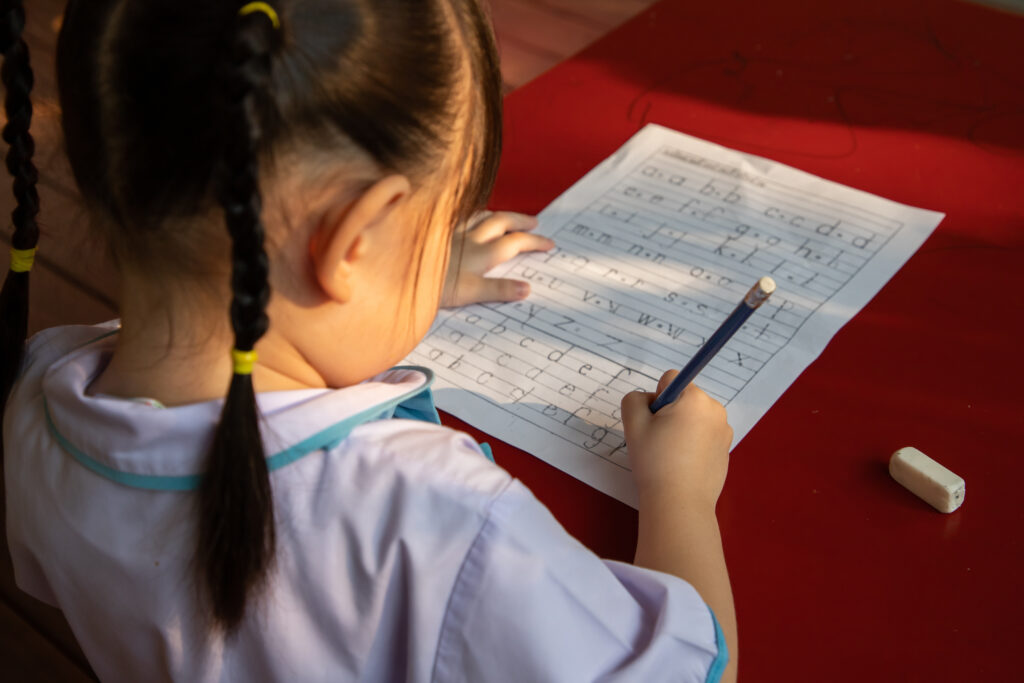
Handwriting can feel frustrating for kids — and confusing for parents. Questions like “Is my child holding their pencil correctly?” or “How can I help without making it a battle?” are incredibly common.
The good news? Handwriting skills develop over time, and with the right support, practice can be simple, fun, and effective. Let’s break down what parents need to know about pencil grasp development, fine motor skills, and easy handwriting practice at home.
Why Pencil Grasp Matters for Handwriting
Pencil grasp is simply how your child holds a pencil or crayon. It plays a big role in:
- Letter formation
- Writing speed
- Hand endurance
- Comfort and confidence with writing
A functional pencil grasp helps children write longer without tiring and improves overall handwriting quality. An inefficient grasp can lead to hand fatigue, messy writing, or avoiding writing altogether. There isn’t one single “perfect” grip. What matters most is whether your child’s grasp is comfortable, efficient, and allows good control.
How Pencil Grasp Develops
Children naturally move through stages of pencil grasp as their hands get stronger and more coordinated.
Early Stages (Toddlers & Young Preschoolers)
- Fisted or whole-hand grasps
- Large movements using the arm and shoulder
- Totally normal and expected
Middle Stages (Preschool)
- Fingers start to help control the pencil
- Grasps may look awkward or inconsistent
- Strength and coordination are still developing
Mature Grasp (Around 4-6+ Years)
- Fingers do most of the work
- Movements are smaller and more controlled
- Writing becomes smoother and more efficient
Every child develops at their own pace. Some kids use a slightly different (but still functional) grip and write beautifully — and that’s okay.
The Real Handwriting Key — Fine Motor Strength
Before worrying about pencil grip, it helps to focus on hand strength and coordination. These skills make holding and controlling a pencil much easier. Here are some simple ways parents can build hand strength.
- Playing with playdough or putty
- Squeezing sponges or stress balls
- Picking up small objects with fingers or tweezers
- Stringing beads or threading pasta
- Building with LEGO
These activities strengthen the small muscles of the hands — the same muscles used for writing. Handwriting practice doesn’t need worksheets or long sit-down sessions. In fact, kids often learn best when writing is part of play. Here are some fun parents-approved ideas.
- Write during games: Have your child write clues, scores, or silly questions
- Make mini books: Draw pictures and write a sentence for each page
- Write for a purpose: Notes, labels, shopping lists, or letters
- Use different surfaces: Chalk, dry erase boards, sidewalk chalk, or sand
Short, playful practice is far more effective than forcing long writing sessions. Here are some more helpful tips.
- Keep practice short and positive
- Praise effort, not perfection
- Watch for signs of hand fatigue
- Encourage breaks when needed
- Remember: progress takes time
If writing causes frustration, pain, or your child consistently avoids it, that’s a good time to ask for extra support.
When to Seek Extra Help
If handwriting continues to be difficult despite practice — or if your child complains of hand pain, tires very quickly, or struggles with daily fine motor tasks — a pediatric occupational therapist can help identify what’s getting in the way and provide targeted strategies.
Strong handwriting doesn’t happen overnight. It’s built through development, play, strength, and encouragement. With the right tools and a little patience, parents can make handwriting practice a positive experience — and help their child feel confident every step of the way.