Our Blog
09.04.2026
Balance Development in Kids: 3 and Beyond
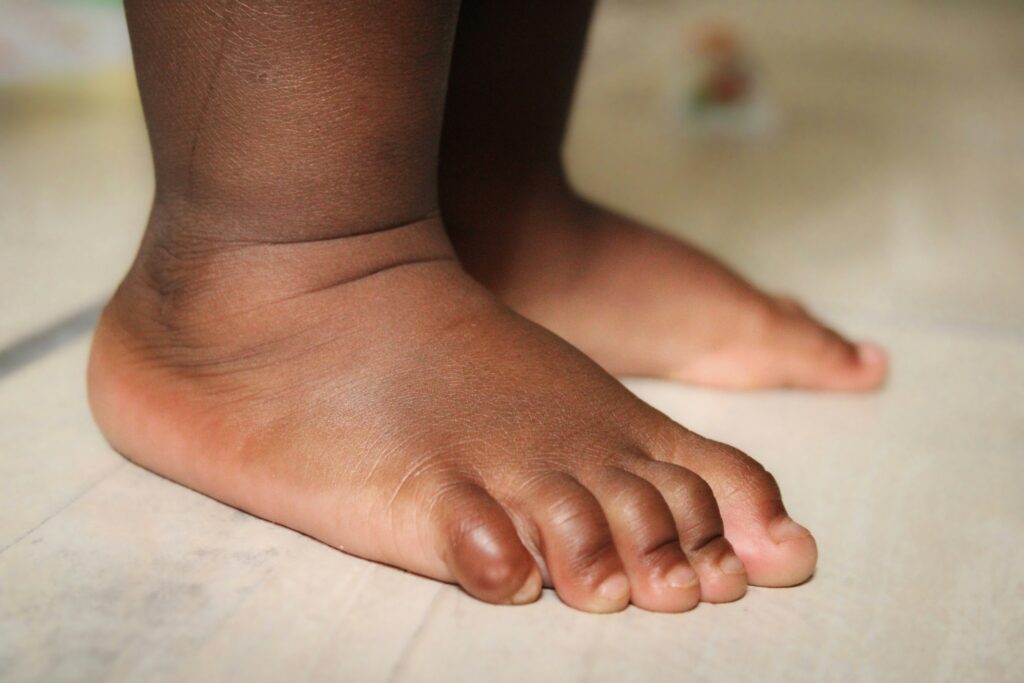
In the first part of our balance development in kids series, we explored how babies and toddlers build the foundation for balance through head control, sitting, crawling, standing, and early walking. By age 3, many children are ready to use those foundational skills during faster, more complex movements—but balance development in kids continues and becomes
08.09.2026
Is Your Child Kindergarten Ready?
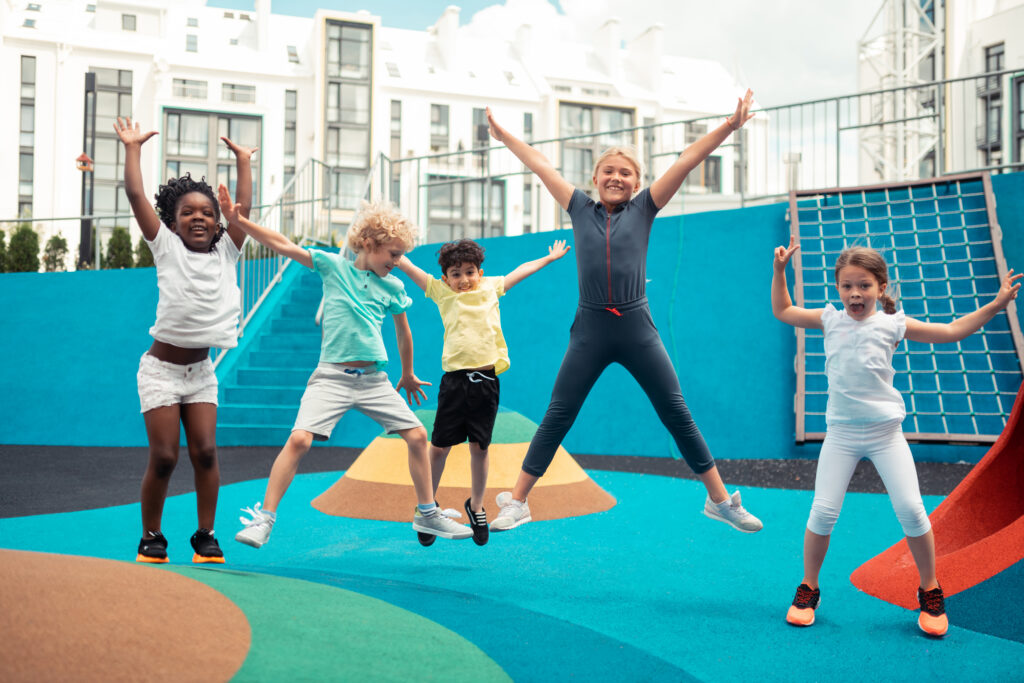
Starting kindergarten is an exciting milestone for children and families. It’s a time filled with curiosity, new friendships, and growing independence. But many parents wonder: Is my child really kindergarten ready? As pediatric occupational therapists, we look at kindergarten readiness as more than just knowing letters or numbers. Readiness is about the whole child—their ability
07.01.2026
Sensory Processing
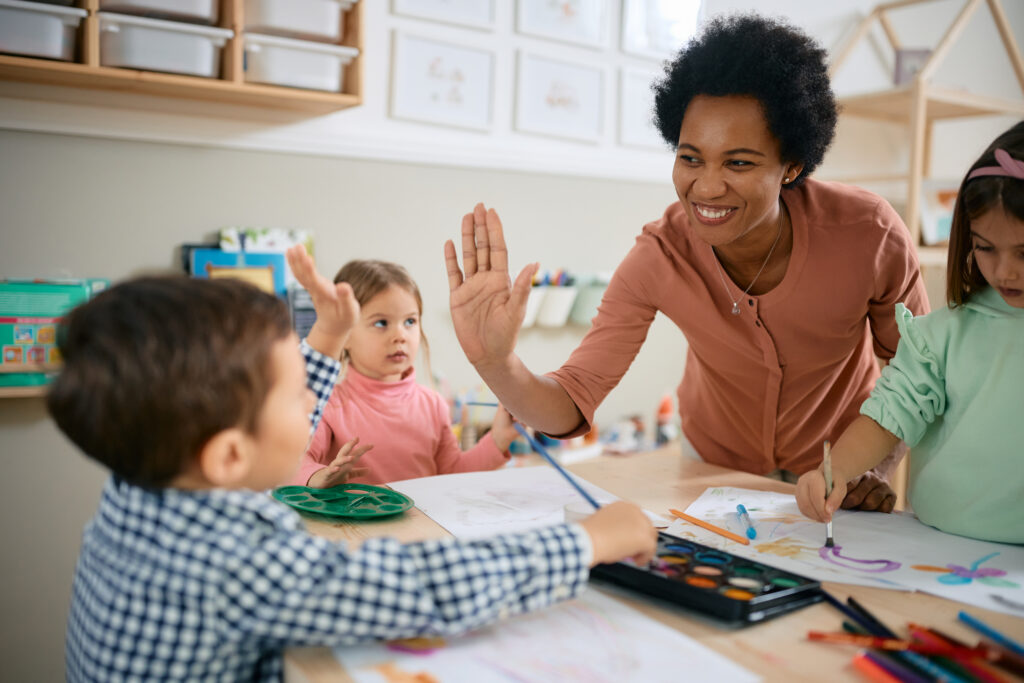
Sensory processing is the way a child’s brain receives, interprets, and responds to information from the world around them. Most kids take in sights, sounds, textures, movement, and internal cues without much effort. But for some children, this process is harder—louder, brighter, more confusing, or not intense enough. When the brain struggles to organize sensory
10.04.2026
Self Care Skills: Helping Children Build Independence
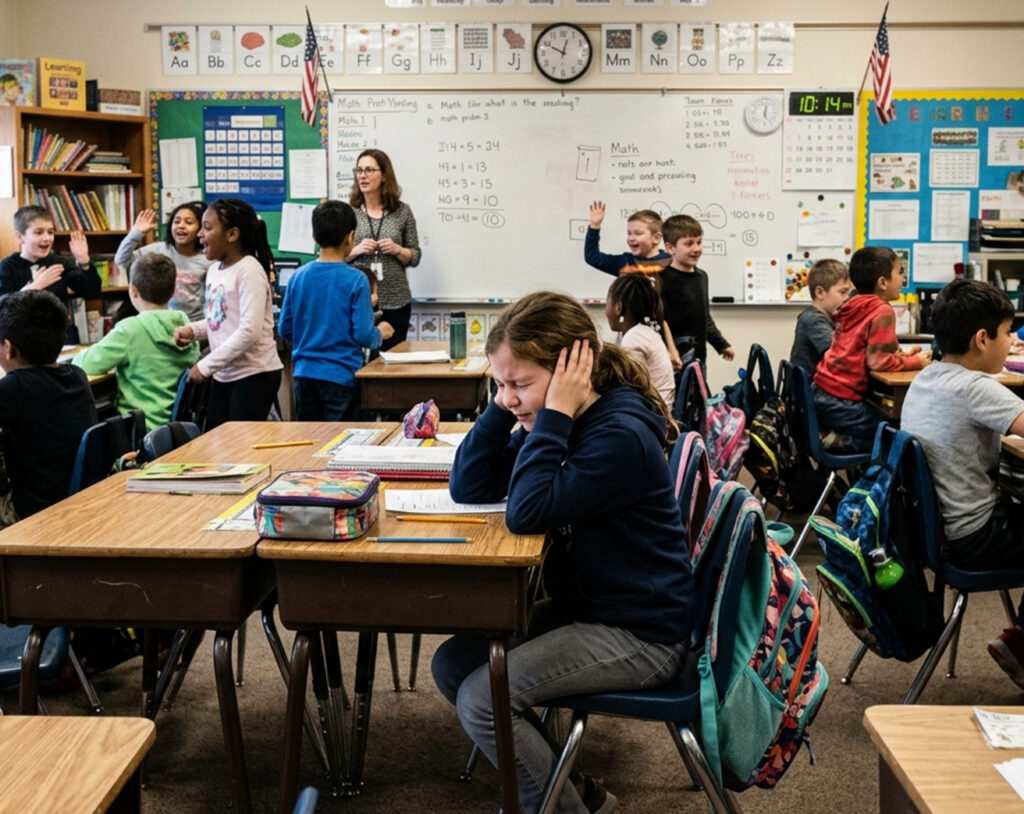
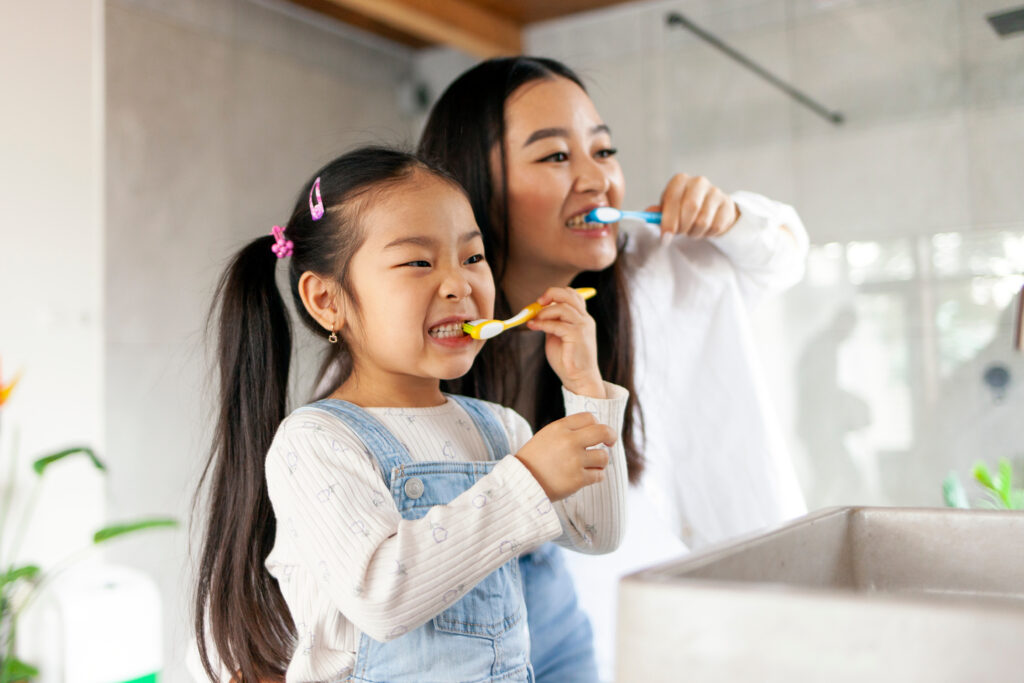
Self care skills are an important part of childhood development, but they are about much more than simply teaching a child to “do things on their own.” Everyday routines such as getting dressed, eating, brushing teeth, washing hands, and using the bathroom provide children with opportunities to build confidence, problem-solving skills, coordination, and independence. Children
08.30.2026
Balance Development: Birth to Three
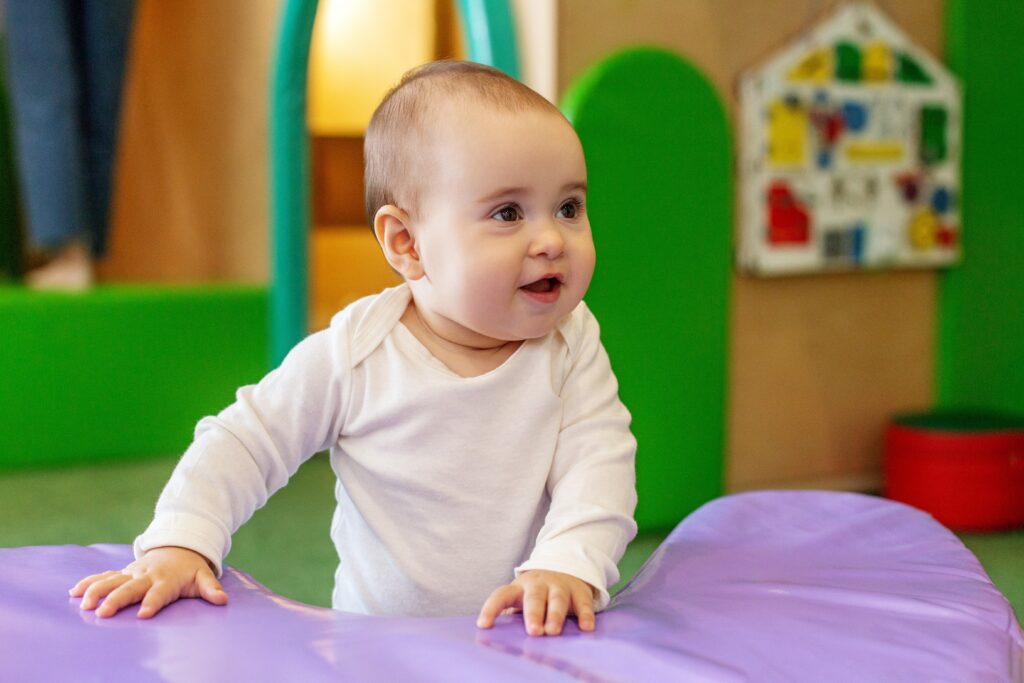
When a baby steadies their head, sits without support, or reaches for a toy without tipping over, they are already practicing balance. Later, balance helps that child walk, climb stairs, run across the playground, hop on one foot, ride a bike, and participate in sports. Balance development in kids is a gradual process—not one skill
07.16.2026
Flat Feet in Kids: When Should Parents Be Concerned?
If you’ve noticed that your child’s feet look flat when they stand or walk, you’re not alone. Flat feet are one of the most common reasons parents ask pediatricians and physical therapists about their child’s development. The good news is that most children with flat feet have completely normal foot development and will never experience