Social Emotional Development
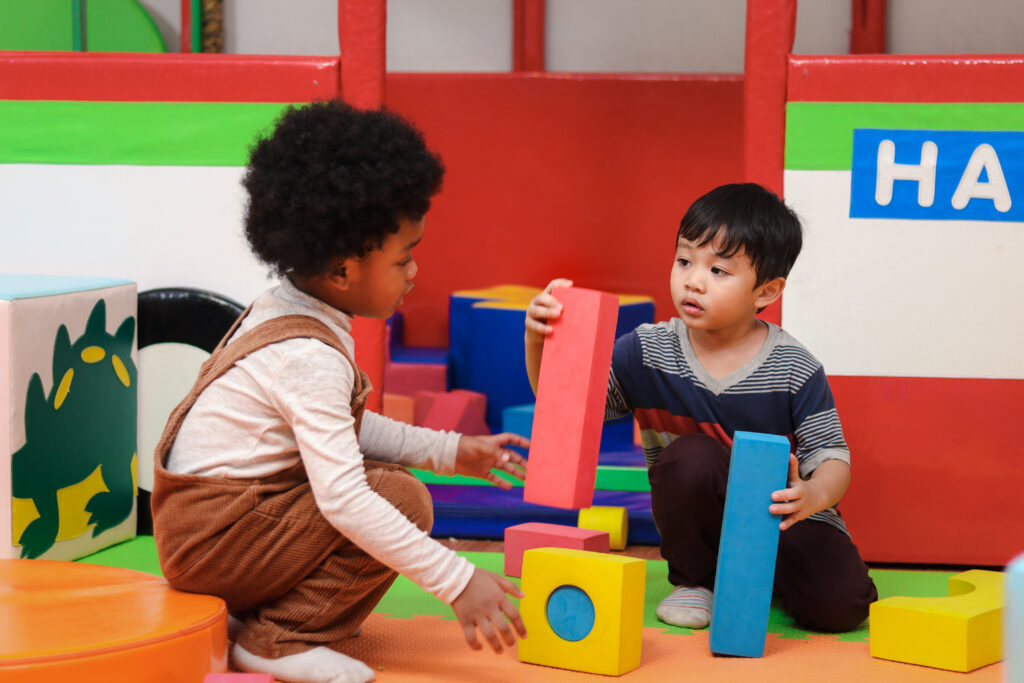
Social-emotional development, or psychosocial development, involves understanding how a child’s emotional, social, and psychological processes change over time. With the surge of social media and a rise in behavioral problems among children, there has been greater attention and awareness of this topic. Sorting through all of the information is overwhelming, and understanding what your child needs can be complicated. To help with this process, let’s identify some terms.
Social-Emotional Skill or Psychosocial Development
The developmental process of social-emotional growth is often marked by “milestones.” The information is based on theories and research from various fields of health and medicine. When a child demonstrates a delay in or fails to meet milestones, there may be a recommendation for further assessment by a skilled clinician.
Behavior
Behavior is the way in which one conducts oneself, especially towards others. As children develop, we describe behaviors in terms of milestones or stages. Behavior identification will change when a child’s or family’s actions or emotions become problematic. Psychiatrists, psychologists, counselors, and therapists (behavioral, occupational) provide consultation when problematic behaviors emerge. A child’s social-emotional development and regulation abilities influence behavior.
Regulation
Often referred to as self-regulation, this is the process of predicting and adapting to sensations, emotions, thoughts, and actions to support the self in all daily activities. For example, an infant’s ability to self-soothe, a toddler’s ability to cooperate, or a child’s ability to follow directions rely on self-regulation skills. A child who can predict situations and adapt to the demands of a moment is self-regulating. Self-regulation is a building block needed for social-emotional development. Regulatory abilities change as we develop, so treatments vary by age group. Occupational therapists and mental health providers provide consultation to assess and support children’s self-regulation.
Social-Emotional Learning
There are several frameworks and programs that address the 5 core components. The design of these programs is to meet the needs of the general public. Local schools are embedding these programs into their curricula. Assessment of a child’s individual skills is not mandatory at this level. If developmental markers or behavioral concerns arise, a skilled clinician may recommend an assessment of social-emotional learning skills.
Throughout the lifespan, social-emotional development changes; the goal of therapy is to support families and children in understanding how these skills emerge and interact. Therapy embeds positive mental health promotion within it work.