
Visual Schedules: From Chaos to Confidence
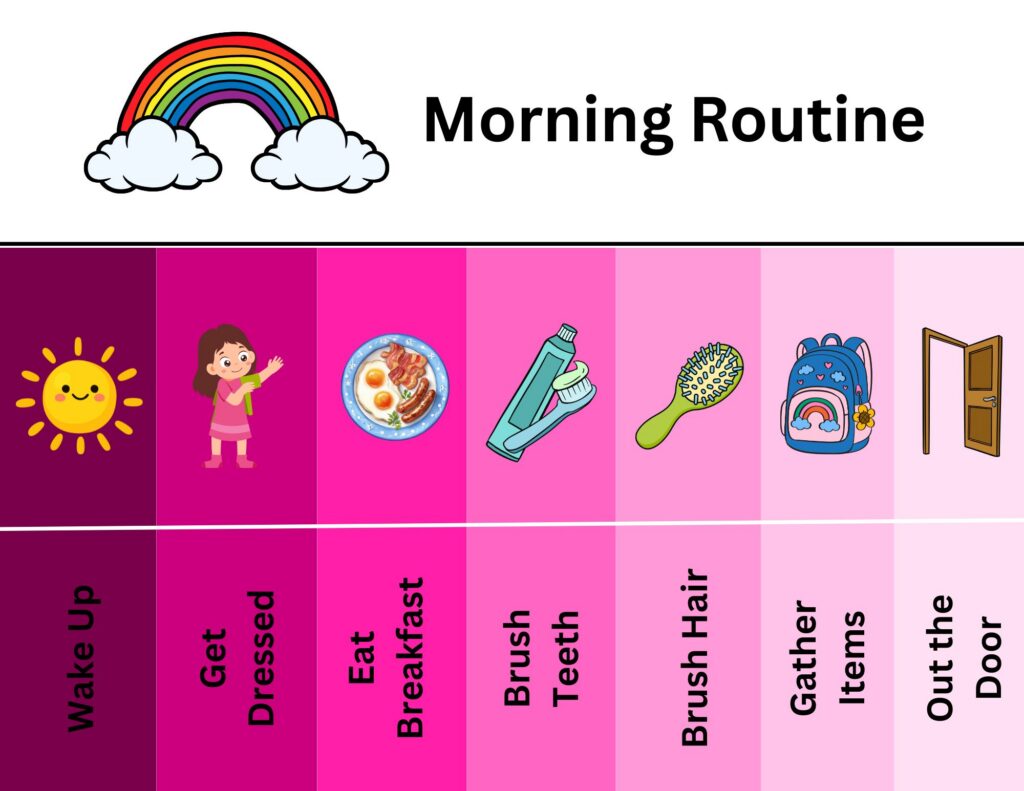
Visual schedules are a simple yet powerful tool that helps children understand and complete daily routines by showing each step of a task using pictures or icons. Just like adults use reminders and checklists, visual schedules for children provide a clear and predictable sequence to follow, supporting learning, confidence, and independence.
At their core, visual schedules display the start and end of a task using visuals such as photos taken with a phone or simple clip art. These visual cues help children understand what comes next—whether they are brushing their teeth, completing homework, or transitioning between activities. Because they rely on pictures and symbols instead of only verbal directions, visual routine schedules can benefit children of all ages, abilities, and developmental levels.
Why Visual Schedules Help Children
One key reason to use them is that they support consistent routines and reduce anxiety during transitions. When a child knows what to expect, moving from one activity to the next becomes smoother and less overwhelming. Visual supports also allow children more time to process language. This can be especially helpful for children who struggle with verbal directions alone.
Visual schedules are often used as a support strategy for children with learning and thinking differences, such as autism, ADHD, and other developmental differences. However, they can be helpful for any child learning daily routines. Over time, these tools can build self-confidence and independence, allowing children to complete tasks with less prompting from adults.
Where to Use a Visual Schedule
Visual schedules are extremely flexible. You can use them at home, in school, or in therapy settings. They can be tailored to fit almost any multi-step activity. For example, schedules help guide children through dressing, washing hands, toileting, bedtime routines, and more. These types of routines also help children develop sequencing skills. These skills are essential for completing tasks in order and understanding how daily activities fit together.
How to Use a Visual Schedule
To introduce a visual schedule, start with just a few key steps. Gradually add more as the child becomes comfortable with the routine. Children can check off steps once they are complete or simply follow the sequence with adult support.
Using praise, encouragement, and consistency makes visual schedules even more effective. Over time, children begin to rely on the visuals themselves rather than adult reminders. This helps them develop stronger independence and confidence in completing daily tasks.