
Hand-Eye Coordination in Kids: It Matters for Development
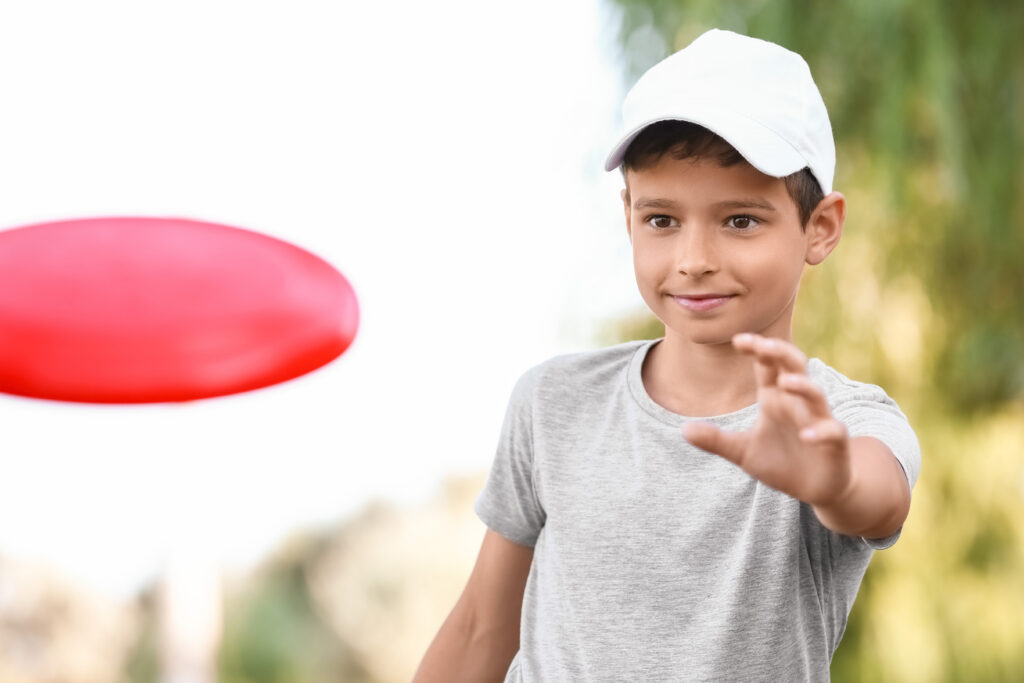
Hand-eye coordination is the connection between what the eyes see and how the hands respond. This skill plays an important role in a child’s development. It forms the foundation for fine motor skills such as feeding or drawing, as well as gross motor skills like catching a ball or climbing on playground equipment.
For many children, hand-eye coordination develops naturally through play and exploration. However, some children may struggle with timing, accuracy, or using both hands together. When this happens, activities like sports, playground games, or crafts can become frustrating, and children may begin to avoid active play.
How Pediatric Therapy Supports Hand-Eye Coordination
Pediatric physical therapists and occupational therapists often work together to help children build stronger coordination skills. Therapy focuses on more than just catching or throwing. Therapists also help children strengthen the muscles needed for movement, improve visual tracking, and practice planning coordinated actions.
By supporting these underlying skills, therapists help children move more confidently and successfully during everyday activities.
Why Early Support Matters
Early support can make a meaningful difference for children experiencing coordination challenges. When children receive help early, they are more likely to avoid frustration and gain confidence in their movement abilities.
With practice and support, children begin to develop smoother and more accurate movements. Their bodies learn to anticipate and respond to challenges with better control. Strong hand-eye coordination allows children to explore their environment, participate in play, and build confidence that supports lifelong movement and learning.