
Travel for Kids with Sensory Needs
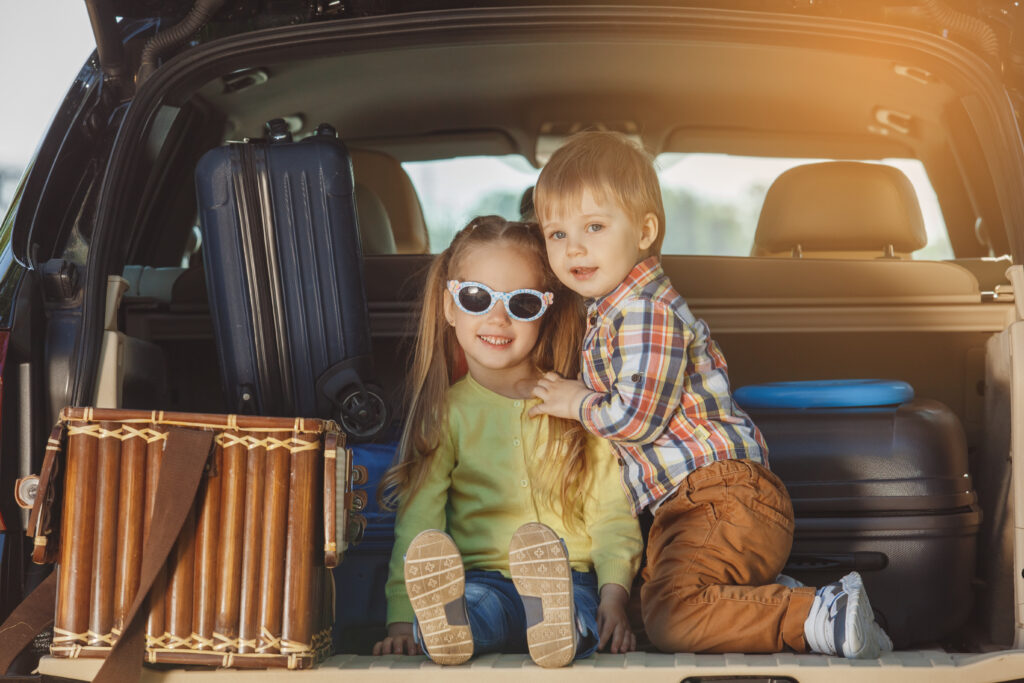
Traveling with children can create lasting memories, but for kids with sensory sensitivities, travel can also feel overwhelming. Crowded airports, long car rides, unfamiliar places, and changes in routine may trigger stress, anxiety, or sensory overload. The good news is that with preparation and the right travel tips for kids with sensory needs, family trips can become smoother, more enjoyable, and less stressful for everyone involved.
Why Travel Can Be Difficult for Kids with Sensory Needs
Many parts of traveling can challenge a child’s sensory system, including:
- Loud noises
- Bright lights
- Crowded spaces
- Unfamiliar smells
- Long periods of waiting
- Changes in routine
Some children become overstimulated and anxious, while others may seek movement or struggle with transitions. Every child responds differently, so individualized strategies are important when planning sensory-friendly travel for kids.
Prepare Your Child Before the Trip
One of the best travel tips for kids is helping them know what to expect ahead of time. Preparation can reduce anxiety and improve transitions during travel. Helpful ways to prepare include:
- Looking at pictures or videos of airports, hotels, or destinations
- Using a simple visual schedule or checklist
- Talking through each step of the trip
- Practicing routines like security lines or boarding a plane
- Creating a countdown calendar before departure
When children understand what is coming next, they often feel more confident and regulated.
Families traveling by air may also benefit from the TSA Cares program, which provides assistance for travelers with disabilities, medical conditions, and sensory needs. Parents can request support before their trip to help make the airport screening process less stressful and more predictable.
Pack a Sensory Travel Kit
A sensory travel kit can help children stay calm and comfortable throughout the trip. Familiar items provide reassurance and support self-regulation during stressful moments. Consider packing:
- Noise-canceling headphones
- Fidget toys
- Favorite snacks
- Sunglasses or hats
- Comfort objects or blankets
- Tablets, books, or calming activities
- Chew tools or sensory supports
Having these items easily accessible can make travel much easier for both children and caregivers. Many of these supports are based on the same sensory regulation principles discussed in our article about sensory play and how children process information through their senses.
Include Movement Breaks During Travel
Movement is one of the most effective ways to help children regulate their sensory systems while traveling. Simple movement activities include:
- Stretching during breaks
- Walking through the airport
- Climbing at rest stops
- Pushing luggage
- Wall pushes or jumping activities
Even short movement breaks can improve attention, reduce stress, and help children feel more regulated during long travel days.
Keep Routines as Consistent as Possible
Changes in routine can be difficult for many children. Keeping familiar routines during travel can provide stability and comfort. Try to maintain:
- Regular mealtimes
- Bedtime routines
- Preferred snacks and foods
- Familiar calming activities
Packing favorite foods is especially important for children with sensory-based feeding challenges or selective eating habits.
Have a Calm-Down Plan
One of the most important travel tips for kids is planning ahead for stressful moments. Meltdowns and dysregulation can happen during travel, and having a calm-down plan in place can make a big difference. Before your trip:
- Identify quiet areas at airports or rest stops
- Plan extra time for transitions
- Build breaks into the schedule
- Discuss calming strategies with your child
Flexibility is essential. Successful family travel may look different for every child and family—and that is perfectly okay.
Traveling with kids who have sensory sensitivities may require extra planning, but meaningful and enjoyable travel experiences are absolutely possible. With preparation, sensory-friendly supports, and realistic expectations, families can create positive travel memories together while reducing stress along the way.