
ADHD in Children
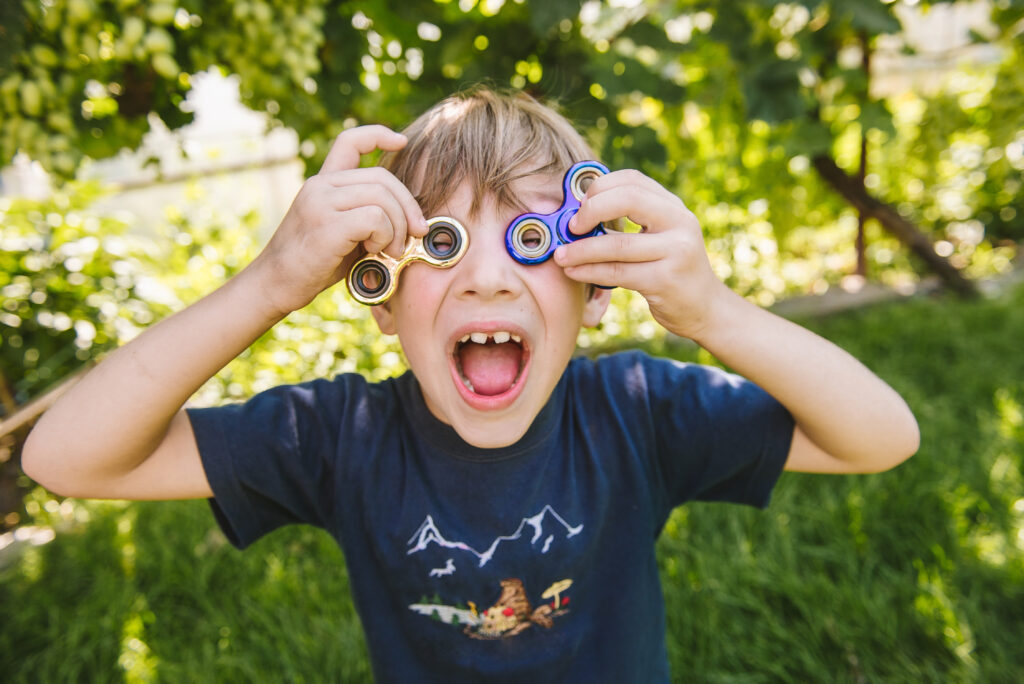
Attention-Deficit/Hyperactivity Disorder (ADHD) is one of the most common neurodevelopmental conditions in childhood, yet it is often misunderstood. Parents (and teachers) often notice signs long before a diagnosis is made—difficulty staying focused, trouble sitting still, challenges with impulse control—but may not realize how these moments connect to ADHD. Understanding what ADHD in children looks like, how it affects daily life, and what support is available can make a significant difference for families.
What is ADHD?
ADHD is a neurological condition that affects a child’s ability to regulate attention, behavior, and energy levels. It is not caused by poor parenting, too much screen time, or lack of discipline. Instead, ADHD reflects differences in how the brain grows and processes information, particularly in areas related to attention and self-control. Each child’s experience looks different, which is why individualized support is important.
Common Signs of ADHD in Children
While every child is unique, some of the most common signs include:
- Struggling to concentrate on tasks or play
- Frequent fidgeting, squirming, or difficulty staying seated
- Acting impulsively—blurting out answers or interrupting others
- Difficulty following multi-step directions
- Losing items like homework, jackets, or school supplies
- Emotional outbursts or frustration with routine tasks
- Trouble with time management and organization
- Sleep Difficulties
These behaviors occur across home, school, and social settings—not just in one environment.
Gender Differences in ADHD
Females with ADHD often present with different symptoms than males. This causes ADHD to be frequently misdiagnosed in girls. Females often become determined to meet social demands and acceptance, causing them to mask symptoms and problems. Common symptoms in females include:
- Trouble attending to tasks
- Failing to finish duties
- Getting sidetracked easily
- Difficulty organizing tasks and activities
- Forgetfulness
- Mood disorders and anxiety
- Tactile defensiveness and sensory overload
- Somatic complaints – headaches, stomachaches, nausea
- Rejection sensitivity – an intense emotional response to real or perceived rejection
School Challenges
School is often where ADHD becomes most noticeable. The classroom environment—structured, busy, and full of expectations—can be difficult for children with ADHD. Common challenges include:
- Staying focused during lessons
- Completing assignments and staying organized
- Following multi-step instructions
- Sitting still for long periods
- Social challenges with peers
- Feeling overwhelmed or discouraged
Children with ADHD may work twice as hard to achieve the same level of focus and organization as their peers. With the right tools and support, such as classroom accommodations, sensory strategies, movement breaks, and individualized guidance, children with ADHD can thrive academically, socially, and emotionally.
What Helps Children with ADHD?
Early support is key. Helpful strategies include:
- Structured routines to provide consistency
- Visual schedules to support transitions
- Movement breaks during homework or learning
- Clear, simple instructions broken into smaller steps
- Positive reinforcement to build confidence
- Occupational therapy to support self-regulation, sensory needs, and executive functioning
- Collaboration with teachers to create accommodations in school
Many families also benefit from working with healthcare providers for a full evaluation and personalized treatment plan. ADHD is not a label to fear—it’s a way of understanding how a child’s brain works. With proper guidance, early intervention, and strengths-based support, children with ADHD can grow into confident, capable, and resilient individuals.