You might hear your occupational therapist frequently referring to the term “crossing midline”. Crossing midline is a vital skill for proficiency in fine motor and gross motor skills. Imagine a vertical line cutting your body in right and left halves. Therefore, your ability to reach across that line refers to the term “crossing midline”. This is what allows you to participate in your activities of daily living. The ability to cross midline enables you to complete simple tasks like reading and writing, reaching, dressing, cooking, and participating in sports.
What would I look for if my child is struggling to cross midline?
First, observe your child in a variety of play and academic situations. Then, look for the following signs for challenges with crossing midline. Please note that the following statements are not a means for a diagnosis but rather a guide. You should visit your occupational therapist for more information on this topic.
- They appear to alternate between right and left hands or use both hands during writing tasks
- Reaching for objects on one side of the body and switching hands to place object on opposite side of the body
- They are clumsy compared to other peers
- They rotate with their whole body instead of twisting with their trunk/core
- During writing, they start with the left hand and then switch to the right hand as they write across the page
What activities can I do this summer to address crossing midline?
- Water balloon baseball: grab some water balloons and start throwing! Naturally, your child will cross midline as they swing the bat. You can also elicit it by throwing water balloons across your body towards a target.
- Car washing: grab a wash rag and some soapy water. Washing a car will guide your child into movements from left to right. Practice isolating one hand or the other.
- Painting rainbows with ice: grab an ice tray, fill with water and dye, place Popsicle sticks in each cube, and freeze! Have your child sit in a designated spot on the driveway. Use icicle cubes to create a rainbow starting on the left side of the body to the right side of the body.
And, check out this post by Your Therapy Source for 10 midline crossing games.
 Communication milestones at 30 months continue to expand. Toddlers begin to show how many words they understand by the way they respond to what adults say to them. They are able to answer questions meaningfully and accurately, and they can follow simple suggestions. Toddlers love being read to and participate during story time by pointing to pictures or commenting appropriately during the story. For example, seeing a cow and then mooing. At this age, toddlers also show increased understanding of basic concepts including position words: up and under, as well as descriptive time concepts such as: soon, after, and right now.
 Early intervention (EI) is a general term used to describe services that are offered to support babies and young children with disabilities or developmental delay, usually from birth to 3 years of age. Often, early intervention includes physical therapy, occupational therapy, and speech therapy.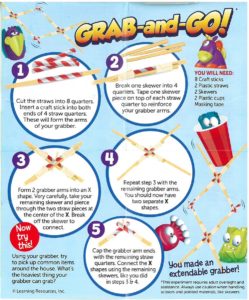
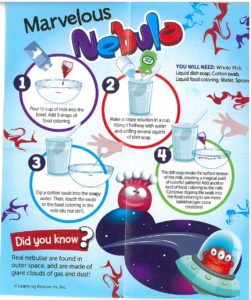
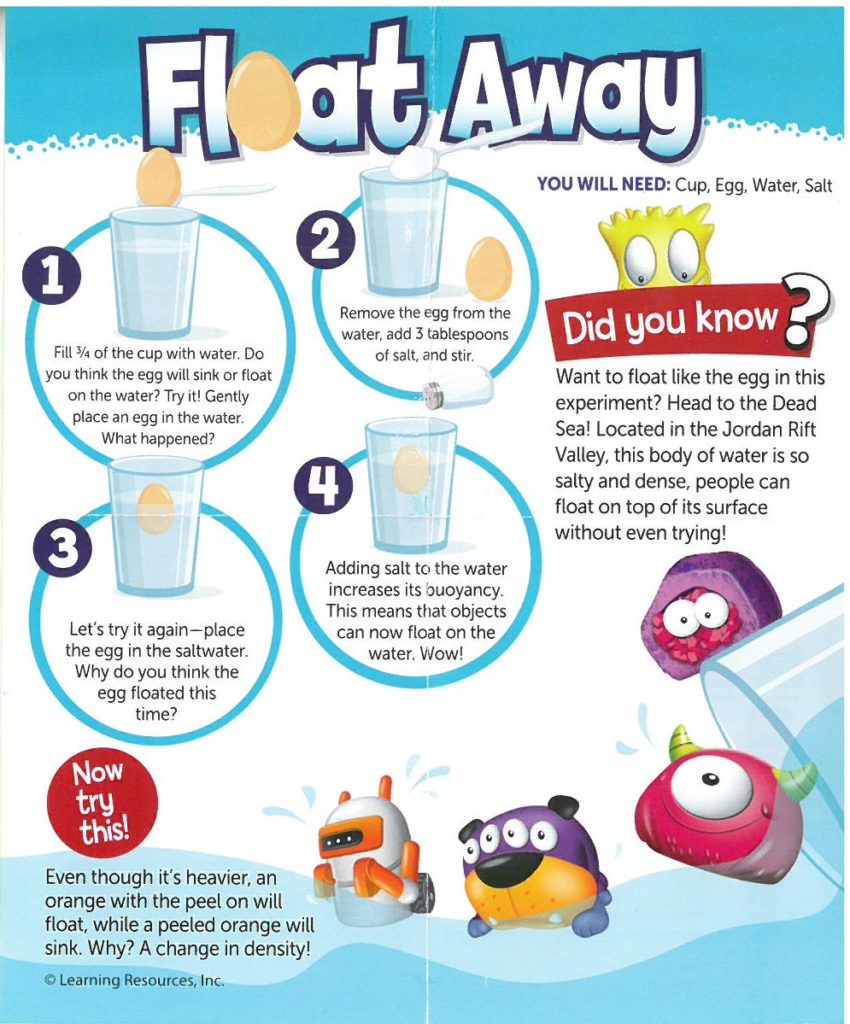
 Not everyone is prepared to be at home with our kids instead of sending them to school. Do you need something to keep your kids busy while school is closed? Here are some ideas, including some ideas that are NOT screen time. We will add to the list as we get more. Stay safe, be kind, practice social distancing, and wash your hands!

 Wow! A lot has changed since I first started writing this article about fitness. COVID 19 is changing all of our lives. People are working from home. Schools are closed. We are all trying to maintain our social distance. We talk a lot about taking care of our kids in this newsletter. But, we also need to make sure we take care of ourselves so that we can be the best version of ourselves for our kids. Now, more than ever, this is especially true.