Developmental Communication Milestone Series: 24 Months

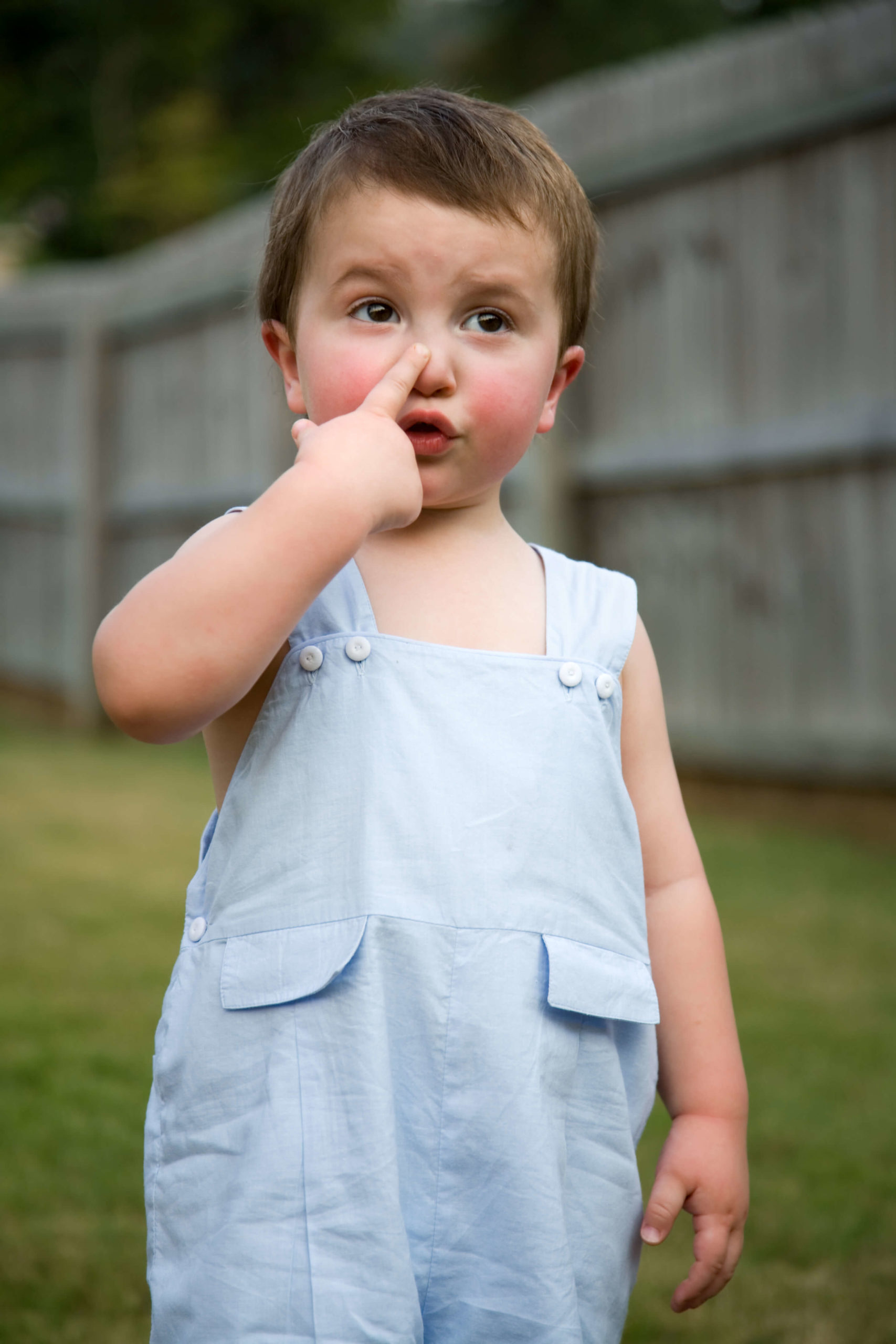
communication 24 monthsCommunication at 24 months includes following directions and understanding words. They understand simple questions and provide simple one or two-word answers along with nodding head for yes or no. Toddlers are able to understand explanations of events that are taking place and understand when they are told something cannot happen until later in the day, or until tomorrow.

Expressively, toddlers display a fairly large range of development in the words they are producing. Some 24 month olds are still only using 1-2 word phrases consistently to label, comment, and request, whereas others are consistently using complete sentences. The words toddlers use are usually understood by others, but some words may still run together or be difficult to understand. Their vocabulary develops based on their daily experiences, and they use words and phrases related to what they hear spoken to them.

What Communication Should Toddlers have by 24 Months?

  • Point to several body parts as you name them
  • Point to correct pictures in a book when you ask them to
  • Respond to requests, such as, “Please open the door”
  • Respond to directives, such as “It’s time to wash hands for lunch”
  • Understand “in” and “on”

24 Month Old Expressive Abilities

  • Name pictures in their books
  • Produce most vowels and the consonants: m, b, p, k, g, w, h, n, t, d
  • Uses 50-200 words
  • Jabber to themselves or self-talk as they play by themselves
  • Label familiar objects as they interact with things throughout the day
  • Put several words together such as, “Go out now”
  • Use language with increasing specificity to ask for what they want
  • Start asking questions related to stories or things they see

Additional support may be needed if:

  • Remain unengaged in family discussions at the dinner table
  • Forget what they are told to do and start playing with toys instead
  • Point to eyes when asked to find body parts but don’t respond to any more questions
  • Ignore directives such as, “It’s time to wash hands”
  • Continue to use gestures rather than words to communicate
  • Become upset when you don’t understand what they want or what they are trying to say
  • Try to tell you something, but their babbling and sounds don’t make sense
  • Point to an apple but the sounds they use are not distinguishable as words

Check out 30 Month Communication Milestones to learn what your child should develop next. If you have questions or concerns about your toddler’s speech development, call MOSAIC Rehabilitation at (406) 388-4988. We offer free 15 minutes screens and are happy to answer any questions you might have.

Gross Motor Milestone Series: Kneeling

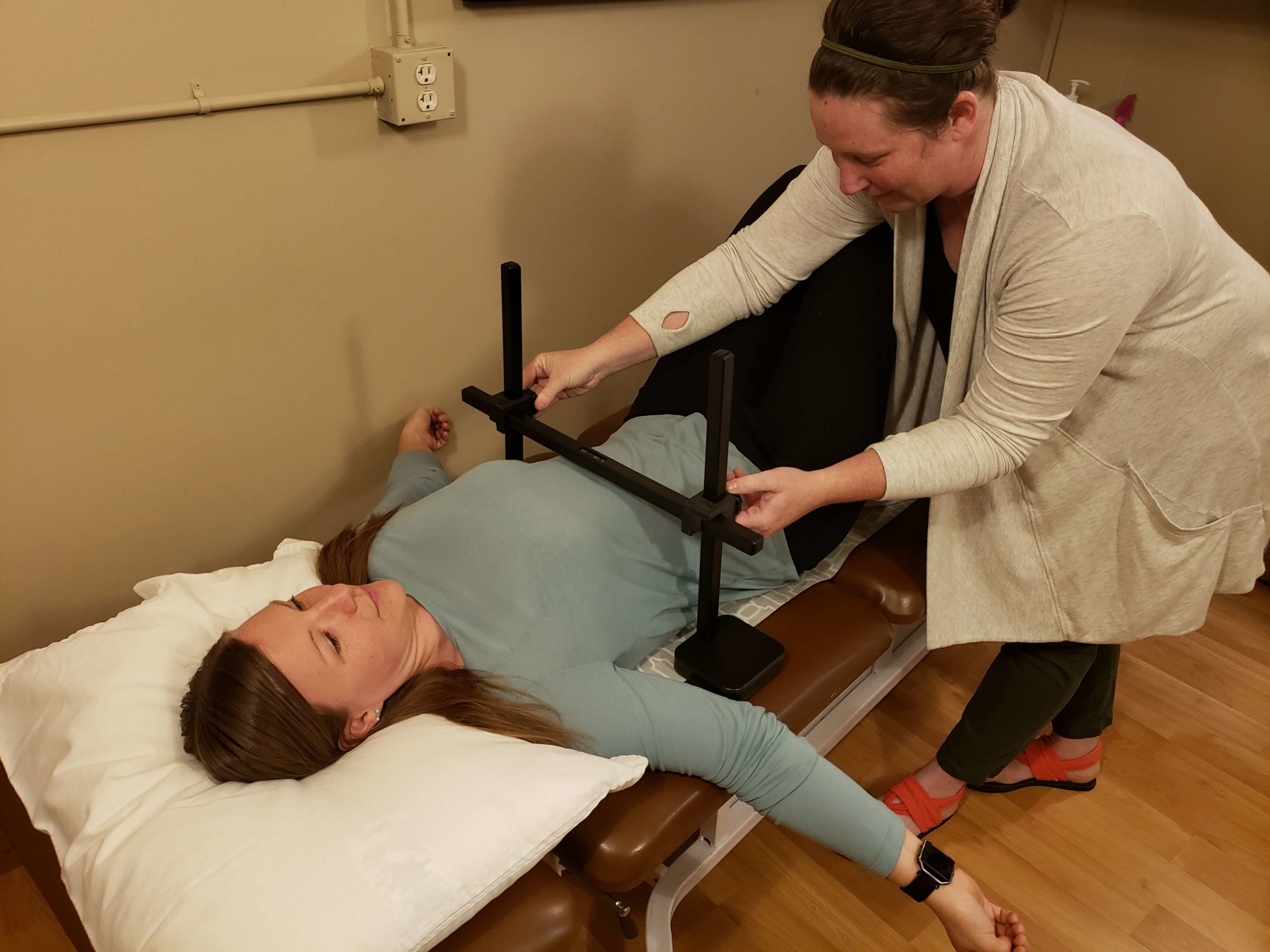
Gross Motor Milestone: KneelingKneeling is a critical gross motor milestone that kids use in many ways. It is a position that can be used for playing or as a transitional movement to get from one position to another, such as moving from the floor to standing. There are also a few different variations of kneeling, including short kneeling, tall kneeling, and half kneeling. Kneeling is the first position that really emphasizes core stabilization. The feet, ankles, and knees are not required to do a ton of work in this position, but the hips, pelvis, spine, and trunk are used to keep the body from falling over. Strengthening the hips, back, and abdominal muscles gets a baby ready for standing and walking.
Development of Kneeling

Short kneeling is the easiest of the kneeling postures, therefore is first to develop. In this position, a child sits on their bottom with knees bent. The feet are together and under their bottom. This is not to be confused with “W” sitting where the feet are outside of the hips instead of under the bottom. Babies use this position frequently to transition from crawling to sit and to move up and down from short kneel to tall kneel.

After short kneeling, tall kneeling develops. In this position, a baby is bearing weight through their knees with their bottom up in the air. This position can be used to reach toys that are in the air or on a higher surface with or without using the arms.  A baby must be able to get into tall kneeling in order to progress to half kneeling which they will then use to pull up to standing. Tall kneeling challenges balance and body awareness while co-contracting muscles on the front and back of the body in order to prevent falling.

Half kneeling is the most difficult of the three kneeling postures, making it the last to develop. A half kneel occurs when one knee is on the ground in line with the hip on the same side. On the other side, the leg is forward with the foot on the ground. This position is used to pull up to standing and is the mature transition from floor to stand without using arms to help. Some babies have difficulty getting into and playing in these position. This can create delays in other gross motor milestones, such as standing, cruising, and walking.

Ideas to Help Your Baby Learn the Kneeling Gross Motor Milestone:

  • Place a fun toy up on a low bench or table. Help your baby reach up for the toy and shift their weight forward on knees.
  • Kneel at a toy chest or box and remove items and give them to you.
  • Kneel a few feet away from your child and roll a large ball back and forth.
  • Blow bubbles or hold a ball/balloon up just beyond their reach, encouraging them to come up into a tall kneel.
  • Hold your child’s hand and practice walking forward on knees.

 If you have concerns about a gross motor milestone, call MOSAIC at (406) 388-4988 to set up a free screen. To learn more, check out this great milestone moments list from the CDC.

24/7 Postural Care: What Is It and How Could It Help You?

24/7 postural careDaytime and nighttime positioning are an integral part of daily life. 24/7 postural care can make a huge difference. Easily overlooked and often misunderstood, positioning is something most individuals take for granted. For several individuals, however, body changes due to positioning and gravity are more immediate and more debilitating.  In addition, people who have limited mobility and/or are less able to change positions independently will develop distortions over time.  This can lead to social, psychological, and health implications. These individuals rely on their families, caregivers, and professionals to provide optimal supports and means to reduce the impact.
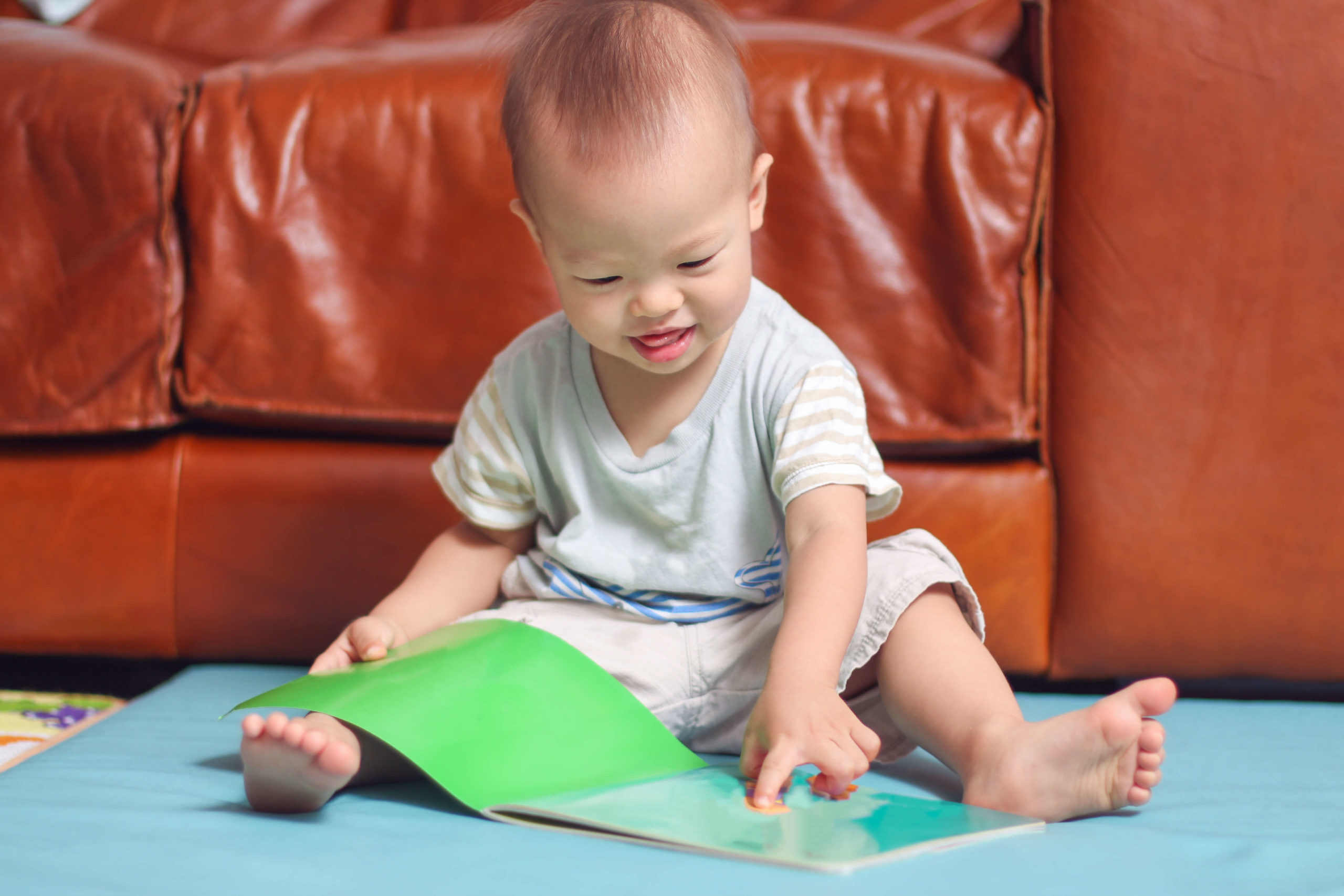
In February, 2019, MOSAIC Occupational Therapist, Erin Russell starting training through the Montana Postural Care Project. She wanted to provide increased services to those in need in our community. Tamara Kittleson-Aldred, M.S. OTR/L, ATP/SMS and Arwen Kittleson-Aldred, M.Ed., RCPV lead the Montana Postural Care Project.

Driven by research, the Montana Postural Care Project is in its third year. Postural care is extremely important. The project is designed to increase awareness of postural care. It also provides support to those in need of 24-hour postural care. The training included learning about and creating customized sleep systems, as well as addressing wheelchair and alternate seating position needs. Funded by the Montana Council of Developmental Disabilities, the project provided all trainees with access to measuring tools in addition to supplies needed to provide sleep systems to local clients.

How Can Postural Care Help Me?

The benefits for many involved in the project include improved postural alignment and reduction in pain. Additionally, many individuals also experience improved behavior/mood, and improved sleep. For some individuals, the support can prevent more invasive procedures from needing to occur.  Although individually designed, most sleep systems include: non-skid matting, trunk/hip frames, and a leg separator. They also often include a leg separator, leg and/or torso elevators, and pillows. Researches designed many of the items provided through the project. Several of these items are available for purchase. Systems can also be made and/or modified with commonly found items in the home. The goal of the project is for families to be able to easily implement the systems.

24/7 postural care is important for all age groups and seeking support for those who have limited mobility is what this project is designed for. Please visit http://posture24/7.org/ or contact Erin Russell, OTR/L at MOSAIC Rehabilitation, one of the Gallatin Valley representatives for further information about the project and its benefits.

Developmental Communication Milestone Series: 18 Months

Communication 18 monthsWhat does communication at 18 months of age look like? Toddlers are understanding many more words and phrases than they are able to say. They are able to understand words used to describe what is happening now, as well as words to describe what will happen next. Toddlers at this age are also able to follow one step directions that are paired with gestures or visual cues, and they are able to make and understand choices.

Expressively, toddlers’ words reflect what they hear most often as caregivers talk to them or near them. Caregivers are the role models for toddlers who are learning speech and the meaning of words. At this age, toddlers should be saying several words or word approximations, but they continue to use gestures as their primary means of communicating. They should consistently be initiating social interactions with familiar adults and indicating what they want by pointing, jumping up and down to gain attention, tugging on an adult’s clothing, or shaking their head yes or no.

What Communication Should Toddlers have by 18 Months?

  • Walk toward you when you open your arms for a hug
  • Show enjoyment and participate in finger play and songs such as “Itsy Bitsy Spider”
  • Point to correct pictures in a book when asked, “Where’s the ______?”
  • Pick up their spoon when told to use a spoon instead of fingers
  • Follow simple directions such as, “Please bring me the ball from the table”
  • Get a tissue from the box when told they need to wipe their nose

Expressively, toddlers should:

  • Spontaneously greet family members with a sound that clearly resembles “hi” or “hello”
  • Use word approximation to request milk when they want more to drink
  • Use word approximations to “name” several pictures in books as they turn the pages
  • Put several words together, such as “bye bye da-da”
  • Talk into their toy phone and pause, as if listening to someone on the other end
  • Tell caregiver things like “shoe wet” when they come in from playing in the yard

Your toddler may need additional support if they:

  • Do not respond to explanations about what is going to happen next
  • Become angry when routines are interrupted
  • Look at you without moving after you ask them to choose a book to read or choose a snack to eat
  • Point to only one picture in a book when asked to find all the animals
  • Babble without consistent sounds
  • Use gestures but very few sounds when trying to communicate
  • Are just beginning to use word-sounds with meaning, such as “ma-ma” or “ba-ba”
  • Use gestures that are so general it is difficult to understand their meaning

Check out 24 Month Communication Milestones to learn what your child should develop next. If you have questions or concerns about your toddler’s speech development, call MOSAIC Rehabilitation at (406) 388-4988. We offer free 15 minutes screens and are happy to answer any questions you might have.

Breastfeeding is Hard – The Struggle Is Real !

Breastfeeding is hardHave you had difficulty with breastfeeding your little one? Were you surprised because you were told breastfeeding comes naturally? Breastfeeding, just like anything new, requires time, patience, practice, and problem solving. Just because a body is biologically predisposed to something, does not mean it will be easy. It can be frustrating, especially during this emotional time in a new family’s life.

Have you been told that your milk didn’t come in? Or that your breasts were too small or your nipples are not sufficient for breastfeeding? Many women are told or feel that the reason they are unable to breast feed is because of them. A women might feel defeated if they think their body has somehow failed them. Because breatfeeding is natural, right? This can make a new mom feel awful and have negative, lingering effects. This is not to discount that some women may have increased difficulty due to physiologic and anatomical reasons that may require a little extra help.

Common breastfeeding issues that can be managed with the help of a professional include:

  • Nipple pain
  • Nipple breakdown
  • Thrush
  • A painful latch
  • Difficulty breastfeeding on both breasts
  • Low milk supply or baby has difficulty latching and getting milk

In some cases, professionals and those helping with breastfeeding may be too focused on the mom. This can prevent them from giving enough attention to the baby. Some moms might be put on unrealistic pumping/feeding schedules to increase their milk supply, causing them to feel like they are attached to their baby all day and night. They may be constantly weighing their baby and focusing on numbers, which again, can negatively impact the feeding relationship.

Combine Speech Therapy and Lactation

What can help save sanity and the breastfeeding relationship? Involve a person with knowledge about both breastfeeding and how a baby eats and swallows, such as a Speech-Language Pathologist (SLP) with credentials in breastfeeding, like a Certified Lactation Counselor (CLC). Many people associate speech therapy with helping kids say their sounds, read, or improve language skills. A lot of people are unaware that speech therapists also focus on all aspects of feeding and swallowing. These pediatric specific professionals understand barriers to safe feeding and swallowing, mostly when related to bottle feeding. However, combining that knowledge with a lactation credential, allows the speech therapist to have the specialized ability to understand the mechanics and physiology behind lactation and breastfeeding.

An example would be a baby who is not gaining enough weight but wants to be at the breast for hours on end. Mom does not know what to do so she gets frustrated. Her nipples feel fine, and she has been told the latch looks good. When assessing a baby like this, a speech therapist certified in lactation would look at feel how the mouth works. She would assess how the jaw, tongue, cheeks, lips, and palate are working together. Next, she would check strength and range of motion. She would then watch the baby at the breast, looking at how the baby latches. She would watch the suck/swallow/breathe pattern and further assessment of any overt or potential swallowing difficulties. Recommendations such as positioning, stretching, feeding duration, or timing can help the baby be more efficient when feeding at the breast.

Get Help When Breastfeeding is Hard

With the rise in the number of women wanting to breastfeed, it is not unrealistic to seek professionals that familiarize themselves with the mother/baby breastfeeding relationship, as well as the mechanics and anatomy for efficient feeding and swallowing skills when trouble arises. For those working with newborns and infants, it is possible to support families with bottle feeding, breastfeeding, or a combination of both while keeping little ones safe and efficient. The bottom line is that no one should ever feel shamed for simply feeding their baby. What is important is to get help early. The only thing that matters is that your baby is fed, whether breast, bottle, or a combination of both. Your baby will thrive on your love and affection, not the method by which they are fed.

If you have questions or concerns about breastfeeding, Alyssa Lundquist, a Speech Language Pathologist and Certified Lactation Counselor at Mosaic Rehabilitation, can help. Check out her bio here and call (406) 388-4988 to set up an appointment today. Click here to learn more about what a Certified Lactation Counselor is. 

Preventing ACL Injuries in Female Athletes

preventing acl injuriesWith more young women participating in sports, incidence of injury is also climbing. The anterior cruciate ligament, or ACL, is one of the main ligaments of the knee that helps provide stability. In addition, the ligament is commonly injured. Female athletes have a 4 to 6 times higher incidence of ACL injury than do male athletes participating in the same landing and pivoting sports.A number of factors attribute to this.  For example, anatomical differences between men and women, hormones, slower reaction time, and muscle imbalances. Sports that require more cutting and pivoting movements place more stress on the ACL. These sports included, soccer, volleyball, and basketball. The stressed placed on the ACL in sports such as running or biking is less. Read on to learn more about preventing ACL injuries in women.

Why Do Injuries Occur?

Females typically have wider hips than males. This creates a larger angle (or Q angle) between the upper and lower leg where they meet at the knee. This larger angle combined with hip weakness can be a recipe for disaster. Ideally, when an individual runs or jumps, their knee should track in line with the hip and foot. However, weakness of the hips, particularly the glutes, may lead to a collapse of the knees inward when running or jumping. This position of the knee is associated with higher rates of ACL injury.  Depending on the injury and the individual, ACL injuries can be treated conservatively or may require surgery. After an ACL reconstruction surgery, a person can expect to have 6-8 months of rehab before returning to sport.

Who Can Help?

A Physical Therapist can complete an assessment and determine a person’s individual risk of injury. In addition, they can provide exercises and stretches to minimize that risk. Sport specific training and movement retraining are great options for sport performance and injury prevention. This helps not only strengthen muscles, but teaches the body how to move in real life situations, such as sports.

Helpful Exercises to Help Prevent ACL Injuries

What are some exercises I can do to prevent an ACL injury?

Specific exercise programs to fit each individual athlete’s strengths and weaknesses should be developed. However, there are several common exercises that could help decrease risk of ACL injury. Examples are as follows. A clamshell is a hip strengthening exercise where a person is lying on their side, knees and hips bent slightly, and the top knee moves towards the ceiling while the feet stay together (thus opening like a clam.) Side stepping with an exercise band around the ankles is another great exercise to help strengthen the hips. Side planks and squats are also excellent options. As with any exercise, the key is to focus on proper form and to work those muscles “to fatigue” meaning until the muscle is tired. In addition, exercises to strengthen the hamstrings can help decrease ACL injury risk as females tend to have weaker hamstrings compared to the quadriceps.

If you are concerned about preventing ACL injuries in a teenage athlete or yourself, feel free to call MOSAIC Rehabilitation and schedule an appointment today. You can also check out our blog on Minimizing Your Child’s Risk for Sports Related Injuries.