Your PT Can’t Do Your Exercises For You

If you’ve been to physical therapy, you likely got a home exercise program. Research says that if you do your home exercise program, you’ll have a significantly better chance of meeting your goals and feeling better. Not doing your program increases the risk of recurrent injury or flare-ups with less positive outcomes long term. Even though they’re important, adherence to home exercise programs is terrible. It’s estimated that only 40 to 50% of patients do their exercises the way they’re supposed to. What gets in the way?

Barriers to Home Exercises

Many of the barriers to PT exercises are the same as barriers to general exercise. These include lack of time, busy work schedules, forgetting, lack of space, lack of equipment, etc. These can be overcome with some forethought and planning, but they regularly stop patients from completing home exercise programs.

Pain and Beliefs

If exercises cause pain, people don’t want to do them. Sometimes people are afraid to report pain from exercise to their PT. Or they think that they’re supposed to hurt. Instead of working with their PT to address the pain, they just stop doing the exercises.

Another thing that gets in the way is people’s beliefs. If people don’t understand why their PT is prescribing certain exercises, or why, the exercises can seem like a waste of time. When that’s the case, again, people stop doing them.

Lack of Support

Social support is shown to significantly improve adherence to exercise. This is why CrossFit and group exercise classes work. People who have a family member, friend, or PT who check in on their exercises are more consistent. Being accountable to someone other than yourself can be a big motivator.

Patients not doing their home exercises is a big problem in physical therapy. Understanding the issues we just discussed can help PTs and patients improve compliance. There are other strategies that PTs are using to help improve compliance as well. So, what can you do to make sure you do your exercises and get the best outcomes? Here are a few ideas.

Plan Ahead

Think about what’s going to get in your way – your schedule, that you’ll forget, or that you don’t have the space or equipment that you need. Once you figure out the problems, come up with solutions. Put your exercises in your schedule, talk to your PT about equipment, or adjusting your program to fit the time you have. If you solve problems before they start, they’re no longer problems.

Address Pain and Beliefs

You’ll need to work with your PT on these. If your exercises cause pain, you’re not going to do them. When your PT prescribes your exercises, try them out. If there’s pain, ask your PT about modifications to make them more comfortable. The other thing might need addressed are your beliefs. If you believe that they won’t help, or that they’re a waste of time, you won’t do them. Again, work with your PT to understand why they’re prescribing those exercises, and what they’re meant to do. Once you know why you’re doing them, you’re more likely to be consistent.

Get Support for Your Exercises

People who have social support are more likely to do their home program. This is why CrossFit and group exercise classes work. Find a family member or friend to help you stay consistent with your exercises. Your PT can help here too. Have someone ask if you’re doing your exercises, and how they’re going. This will keep you accountable and more likely to do them.

Use Technology for Your Exercises

If you like technology and gadgets, they can help you be consistent with your exercises. There are plenty of apps that can track your exercise. Seeing that streak of days you’ve exercised will motivate you not to break it. Smartwatches and activity trackers can fill the same role.

Doing your home exercise program will help you get the most out of PT. With a little planning and a little help, you can make sure you’re one of the 50% of the people who do their home exercises consistently to get the best outcomes.

Reference 1
Reference 2

A Sensory Friendly 4th of July

The 4th of July is a day most people celebrate with parties full of family and friends, and of course fireworks. However, if you’re a veteran, have a child with sensory processing difficulties, or even a pet, Independence Day might not be quite the celebration everyone else thinks it is. Crowded parties, hot weather, loud fireworks, and intense visual stimuli can be overwhelming to say the least. Don’t worry though, there are several ways to make the 4th of July more sensory friendly for you and your loved ones.

Opting Out of Fireworks

One of the easiest things to do is celebrate without fireworks. If you live in a neighborhood that loves fireworks, prepare a safe place inside your house. This space may include a fan or noise machine. You can even have ear plugs or noise cancelling headphones on hand just in case things still get a little too loud. Then, when the fireworks start, gather the family to watch a movie or play a game together.

It’s also important to prepare your children ahead of time. Let them know there will be fireworks and what to expect. You can show videos of fireworks or provide a social story. Depending on their age, your child might even like to know how exactly fireworks work, to help calm their fears.

Tips To Keep 4th of July Celebrations Fun

If you still plan on having a party, going to a parade, watching a firework display, or even lighting fireworks off at your house, here are a few tips that might help make the experience more enjoyable for everyone.

Firstly, prepare your family by talking about what to expect during the day/night. This will help all children, not just those with sensory processing challenges. If you are planning on going to a parade, talk about what they will see and hear.

For example, “We are going to a parade. There will be a lot of people standing up to watch cars and trucks drive by. Some people might throw candy out of their cars. There might be horses walking too and people playing music in a band. We will see firetrucks and police cars and they will turn on their sirens.” You can also show a video of a parade or pictures of what parades look like. If you’ve been to a parade before you can talk about that parade and show pictures or videos from it. The same type of preparation is also be helpful for parties and firework displays.

When celebrating, make sure your children or family members know they can take a break from the festivities. Practice using a word like “break” or a visual cue/picture to represent a break that everyone will recognize. Have a safe place designated that they can go (whether at home or away). If a family member or child is easily overwhelmed by crowds or loud noises, and you are planning on going out to celebrate, pick a less crowded place farther away from the areas you know fireworks will be going off.

4th of July

Items to Have On Hand for the 4th of July

If you do plan on leaving the house for the 4th of July, it may be helpful to have these items on hand:

  • Ear plugs or noise canceling headphones
  • Water/snacks
  • Portable fan/water mister
  • Sunscreen/sunglasses/hats
  • Favorite toy
  • Weighted blanket, heavy backpack, heavy stuffy

What Overstimulation may look like

It’s also important to be aware of what overstimulation may look like in children. An easy signal is seeing your child cover their ears or eyes. You may observe them becoming more irritable, crying, or becoming overly excited. Some children may even attempt to flee or run away. If you notice these signs, try to determine if your child needs a break or some other form of sensory input. These may include headphones, or a weighted blanket, etc.

Whatever your 4th of July plans include, make sure you talk to your kids about what to expect. Keeping the lines of communication open and having a back up plan in place may help to make the day go more smoothly for everyone. Pathways.org also has some useful 4th of July safety tips that are worth checking out before you begin your celebrations.

If you are looking for some good sensory play ideas, check out another great blog, Exploring the World Through Sensory Play.

Sleep for Kids: Get Your ZZZZS

Does your child struggle with sleep? Approximately 50% of children have difficulty with it, and difficulties in this area are more prevalent in children with chronic illness or sensory processing disorders. Chronic symptoms, such as asthma or arthritis, cause wakefulness which further worsens symptoms. Sleep difficulties can impact many areas of childhood, including academics, play, self-care, problem solving, and social emotional wellness. Not only does less sleep impact children, it also decreases quality of life for parents/families. It can also be a cause of excessive stress. Sleep is considered an important occupation. It is necessary to address difficulties in order to optimize a child’s function during day-to-day tasks.

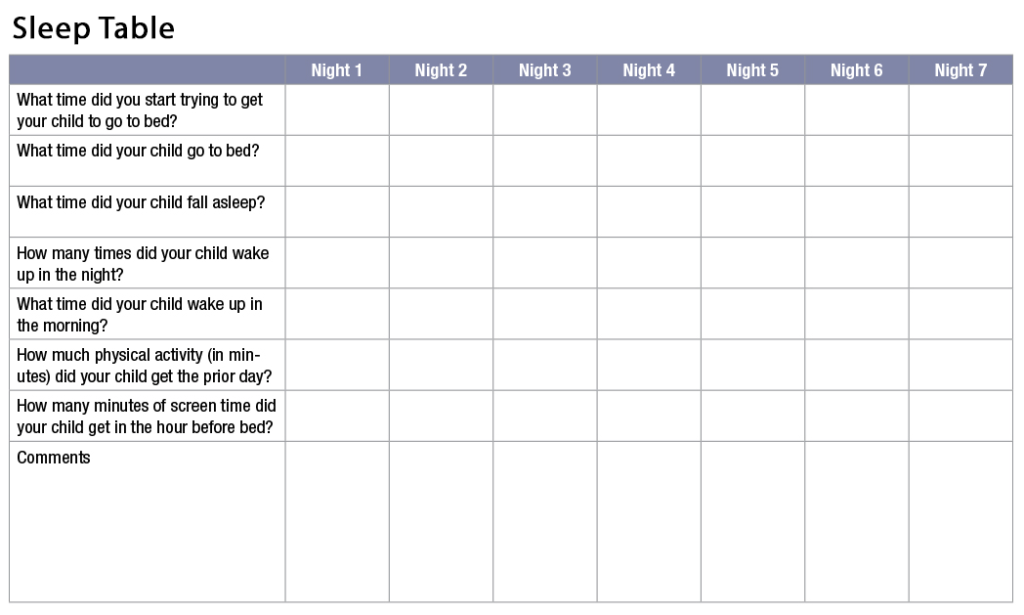
An occupational therapist can evaluate environmental factors by scheduling a home visit. They will compile a profile on the child’s unique needs. Then the occupational therapist will work with your family to begin tracking patterns using a diary. They will evaluate schedules including nap times and nighttime wakefulness.

Ways to Improve Your Child’s Sleep Hygiene

  • Consistent routines, including a regular bedtime
  • Warm baths
  • Utilize calming essential oils
  • Limit use of electronic devices before bed
  • Increase opportunities for outdoor play and exercise
  • Limit intake of fluids before bedtime which may cause frequent bathroom trips
  • Do not allow your child to use their bed for leisure activities or play-associate the bed with sleep
  • Meditation apps/music or reading before bed
  • Blackout curtains
  • Establish child’s comfort for various materials and provide pajamas and sheets that match these sensory preferences, such a jersey knit or flannel
  • Keep the room at a comfortable and cool temperature

Now that you have adjusted the environment and family routines, you and your child can experience a restful night. This will lead to improved behavioral outcomes, play, academic engagement, and overall quality of life. Check out Sleep for Adults to learn more about helping yourself.

Reference
  1. American Occupational Therapy Association. (2017). Occupational Therapy’s Role in Sleep [fact sheet].

Sleep for Adults: Get Your ZZZZS

Sleep is both restorative and unfortunately, at times, elusive. But how important is sleep for adults’ health and well-being? Several studies would suggest very. Sleep gives us much needed rest from physical activity and provides our brain with time to establish new memories and learning. In contrast, lack of sleep leads to decreased alertness and irritability. It decreases physical performance and response time, impairs concentration and memory. The greater the lack of sleep, the more impaired these functions become. So how do we improve the amount and quality of sleep?

Take a Pill

Although this would be the easiest and quickest route, it is not always the best. Most sleeping pills are not meant to be used long term, meaning not beyond four to eight weeks. Sleeping pills can have undesirable side effects and further impair physical performance and cognitive function. Frequently reported side effects include drowsiness, lightheadedness, impaired thinking and poor reaction time. There is also the risk of interactions between sleeping pills and other prescription drugs, and certainly with alcohol use.

Fortunately there are non-drug remedies that have been proven to improve sleep. Some we have heard many times, such as, avoiding caffeine and getting more exercise. Others, such as the following take time and are best used together. They have been shown to be safe, effective and long lasting. But they take time and effort.

Improve sleep for adults by establishing a daytime routine

Activities in your daily routine can affect your sleep for good or for worse. Three of these are exercise, diet and sunlight.

Exercise

Regular exercise improves our energy, weight control, mental health and longevity. Regular daily exercise also helps us sleep better. Exercise uses up energy, regulates our body temperature and produces endorphins, those feel-good hormones, all of which lead to better sleep. Participating in both aerobic exercise and strength training promotes both better health and sleep. Make it a goal to exercise five to seven times per week, for 30 to 60 minutes per day. Studies have shown that the timing of exercise is very individual. For some people it is better to exercise earlier in the day so as to not have difficulty sleeping. For others, exercise right before bedtime is relaxing and facilitates sleep. Do what works best for you.

Diet

Mind what you eat and drink. Caffeine is often used to promote wakefulness or alertness. It reportedly does so by blocking a natural chemical in your body that builds up during the day and facilitates sleepiness at night. However, research regarding this is inconclusive. Some studies have shown that there is little or no real association between caffeine intake and subsequent insomnia. It is may be that some people are more sensitive to the effects of caffeine than others. It is worth limiting your coffee, tea and soda to earlier in the day to see if you sleep better at night.

Alcohol is another sleep disrupter for adults. Although you may fall asleep more quickly, you may not remain asleep. Again, no clear cut distinctions have been proven, but it is worth avoiding alcohol if you notice it affects your ability to sleep through the night.

Daylight

Light exposure influences circadian rhythms. The more light in your environment, the more awake you are. When our surroundings are dark, our bodies produce melatonin which makes us sleepy. Try to get sunlight during the say to set your circadian rhythm and promote sleep.

Develop Sleep Inducing Habits

Create sleep routines. Try to go to bed and get up at the same time each day including weekends and holidays. This helps establish your sleep-wake cycle to promote better sleep. Add to this relaxing activities to transition your body from wakefulness to sleep. Activates can include taking a warm shower, reading a book, listening to relaxing music with low light or meditating. If you worry about something, write it down to deal with it the next day.

Prioritizing your bedroom can improve sleep for adults (and children). Eliminate from your bedroom non sleep activities such as eating in bed, using electronic devices, answering emails or watching TV. Screen time alone may interfere with sleep. Make your bedroom conducive to sleep – cool, dark and quiet. Not to mention a comfortable mattress. Go to bed when you feel sleepy. If you do not fall asleep within 20 minutes, get up and do something that is relaxing. Be sure to avoid stimulating activities such as using electronic devices, cleaning the house or eating. You cannot force sleep, but you do not want to increase wakefulness.

With a bit of persistence and effort, sleep will not be so elusive and a restful night will be something to look forward to again. If you want more information about sleep, check out the Sleep Foundation. To learn about how poor sleep can affect your kids, check out this blog. And stay tuned for Part 2, an updated blog about sleep and children.

Why Do Children Love To Swing?

Swinging is a great activity that can be engaging across all generations. Why is it that most individuals enjoy swinging, especially kids? Swinging stimulates different parts of a child’s brain simultaneously. Swinging helps the brain develop skills such as spatial awareness, balance, rhythm, and muscle control. Even a quiet moment on a swing can help a child regulate their sensory system and help them develop the ability to adapt to different sensations.

Everyone develops in a particular pattern. Some may be faster while others may take longer to develop. For example, one typically has to be able to sit up by themselves before they can crawl and eventually walk. This is part of why a child starts to love swinging sensations when they are developing coordinated motor movements. Their sensory system is ready to organize and interpret moving information, and swinging is a fun way to do that. Our sensory system is comprised of our vestibular, proprioceptive, tactile, visual, gustatory, olfactory, and auditory systems.

the proprioceptive system

The proprioceptive system, located within the muscles and joints, helps keep track of and control different parts of the body. It provides everyone with a sense of body awareness and also detects force and pressure while they swing. The proprioceptive system works in conjunction with the vestibular system. The vestibular system is a complex network within the inner ear that helps keep the body balanced and upright (orientated). The vestibular system detects movement and gravitational pull. These two systems together make unconscious changes to the muscles and joints in order for the body to achieve the desired movement and balance necessary to respond. The timely development of these senses can help a child learn to calm down if they are easily overwhelmed by sensory stimulation. Or it can help bring alertness to a child who needs sensory stimulation to facilitate attention and learning.

Give your child time to swing

Being on a swing as an adult comes so natural. That balance that feels so natural to an adult is a complex process of large muscle groups working together to maintain postural control. As an adult, we can easily minimize play and not take the time to encourage various exploration on play equipment for our children. Try to make extra time for your child to engage in these fun play opportunities. They make a huge impact on brain and body growth and health.

It is very easy to forget how much we all loved swinging when we were little, or to minimize it as frivolous play without serious and necessary developmental benefits. Sensory play is great for kids! If your child loves to swing, try to make some extra time for them to explore this super-activity. You will be helping their little brain grow in harmony with their body, and they will love you for it. Click here to learn more about how swinging, sliding, and climbing will benefit your child.

Fine Motor Skills and Their Importance

Fine motor skills…exactly what are they, and why are they so important? Fine motor skills are those skills that require refined use of the small muscles of the hand. These muscles are responsible for controlling the hand, fingers, and thumb. Development of fine motor skills make it possible for children to complete important tasks such as writing, feeding, and dressing, as well as object/toy manipulation. There is a progression of development that gradually occurs through experience and exposure to a variety of toys, textures, and experiences.

Little hands need to develop strength and dexterity. Encouraging children to play, explore, and interact with a variety of items and textures promotes development. Fine motor skills are heavily dependent on having good proximal strength and stability. Developing shoulder and arm strength begins in infancy through tummy time. During tummy time your child learns how to use arms to push up and shift from side to side. This leads to reaching for items and eventually to moving into all fours to begin the stages of crawling. While doing all this your child is building that proximal strength. In addition, your little one is gaining input through their palms and exploring a variety of textures, all of which promote fine motor skill development.

How to encourage development of fine Motor Skills

There are a multitude of ways to encourage the development of fine motor skills. Finger feeding is a great example. Allow your little one to finger feed as much as possible. Picking up small pieces of food will help develop pincer grasp (using thumb and index finger). This grasp pattern is used throughout life from writing and dressing to completing crafts and hobbies. Encourage play with small items (as appropriate for your child’s age/safety) through activities such as block stacking, bead stringing, small knobbed puzzles, and toys that connect (pop beads, Duplo blocks, LEGO). Using clothes pins to pin pictures or coloring pages on to a string or along the edges of a cup or paper plate will help develop pincer grasp strength.

Play dough is one the best ways to build hand and finger strength. These activities require use the fingers, eyes, and hands in a controlled manner. Many of them offer resistance, which builds strength.

Tactile activities

Giving children the opportunity to play with and in a variety of textures and tactile materials is a fun way to develop fine motor skills. Hide small items in rice, beans, sand, or bird seed. Let then use their fingers to locate and pick out the items for a simple and fun activity. Use tweezers and tongs to pick up items to promote strength and grasp patterns.

As your child moves in to the 2 ½ to 3 year age, they typically develop an interest in coloring. Providing small crayons that fit small hands will help develop grasp patterns that are used for drawing and writing.

While the development of fine motor skills is important, it is reassuring to know that there are lots of opportunities throughout the day for your child to manipulate small items, push, and pull with their fingers to help them practice and develop skills. So many opportunities are just waiting “at your finger tips” to encourage development of fine motor skills! Check out LEGO…Beyond Just Play to learn more about how LEGO can be used to work on fine motor skills.