
Be a Bucket Filler
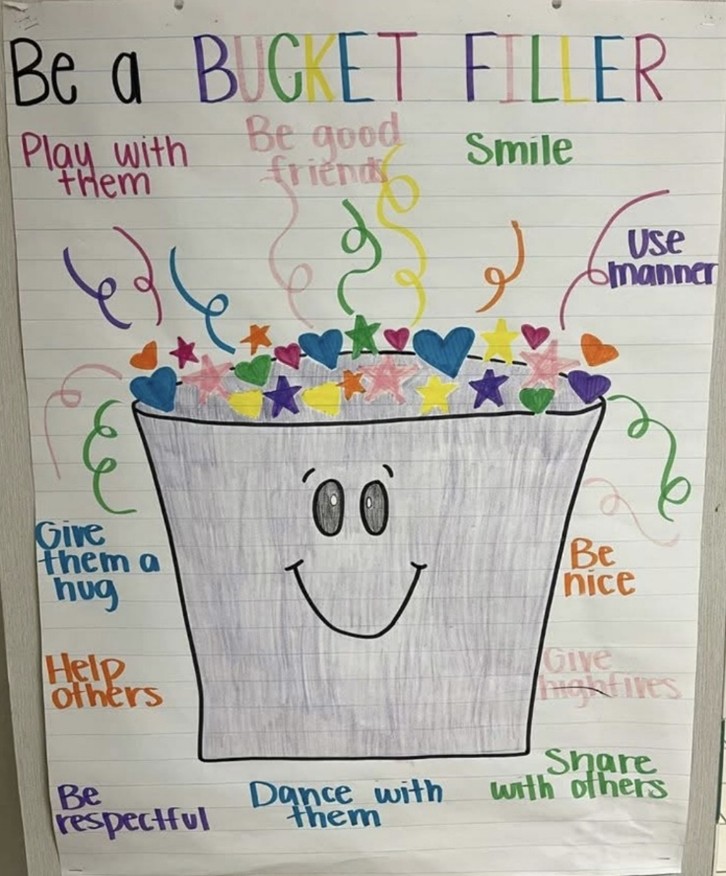
Social-emotional learning activities are essential to help kids develop the skills they need to succeed in life. Among the most important skills to learn are kindness and compassion. Children begin developing social emotional skills at a very young age. As parents and caregivers of children, there are many ways to promote skills and teach kindness and compassion. A best seller child’s book Have you Filled A Bucket Today is a delightful book that helps teach kindness and compassion by being a “bucket filler” throughout their day. In summary, this book presents the concept that we each carry an imaginary bucket around with us.
Bucket filling is a term that has gained popularity when talking about positive attitudes and behavior. Many education settings use the concept of bucket filling to teach children about feelings and emotions. The underlying message is that each person carries with them an invisible bucket and when that bucket is full, the person is feeling happy, confident, secure, calm and content. On the other hand, if a person is carrying an empty bucket, they are feeling upset, down, dissatisfied, and unhappy.
The goal is to help increase awareness and understanding and be able to monitor how full or empty their bucket is for determining how they are feeling. Being kind to others fills their buckets as well as our own. When we’re not kind, we dip into others’ buckets, depleting them. Bucket filler activities encourage kids to recognize their own “filling” and “dipping” activities throughout the day and encourages them try to fill as many buckets as they can. This concept can easily by implemented in your home.
How to Implement at Home
So a bucket filler does their best to help others feel better, bucket dippers do the opposite. Bucket dippers use actions, words and behaviors that have a negative impact on others. Some examples of bucket dipping include teasing, saying unkind things and refusing to help someone else.
There are numerous bucket filler activities, ways to implement for various age groups. One popular way is to use soft colorful pom poms and a container (even better if it resembles a bucket!). Recognize bucket filler activities and behaviors by tossing a pom-pom (some times referred to as “warm fuzzies”) into a child’s bucket. They’ll love watching their buckets fill up.
Simple Ways to Be a Bucket Filler
- A hug
- Share something with them
- Let them overhear you saying something kind about them to someone else
- Practice gratitude with them
- Use your manners
- Create ways to include them
- Think of something kind you can do for someone else and do it together
- Bake something for them, or bake together
- Write a thank you note
- Tell someone you are proud of them, with a specific reason why
- Leave sticky notes for someone, with a kind word or kind messages on them
- Listen when someone needs you to listen
- Tell someone you love, that you love them
- Get creative! Get some markers, paints, crayons or pencils and make some art together!
- Smile
- Do something fun!
Being a bucket filler is a wonderful way to help children make connections to how good it feels to both recognize and be recognized for acts of kindness. Here are some additional links to promote being a bucket filler.
Buckets, Dippers, and Lids: Secrets to Your Happiness. This follow-up reminds kids that sometimes they can control who they allow to dip into their bucket and take away their happiness by using a lid.
Growing Up With a Bucket Full of Happiness: Three Rules for a Happier Life. If you’re looking for a way to share bucket filling with older kids, try this chapter book that’s perfect for upper elementary and middle school.
My Very Own Bucket Filling From A to Z Coloring Book/Amazon
My Bucket Filling Journal: 30 Days to a Happier Life/Amazon
“Bucket filling is in the eye of the bucket holder, not the bucket filler. Fill their buckets with things that are important to them … not you” – David Cottrell