Our Blog
07.30.2020
Kegels are Not the Answer for Everything
There is a common myth going around in regard to pelvic floor dysfunction: “Isn’t it all about Kegels?” First, let’s start with defining the pelvic floor. The pelvic floor refers to layers of muscle that span the bottom of the pelvis. The pelvic floor’s job is to: Support pelvic organs Help with urinary and fecal

06.23.2020
Communication Milestones 30 Months
Communication milestones at 30 months continue to expand. Toddlers begin to show how many words they understand by the way they respond to what adults say to them. They are able to answer questions meaningfully and accurately, and they can follow simple suggestions. Toddlers love being read to and participate during story time by pointing

03.16.2020
Science Experiments for Kids
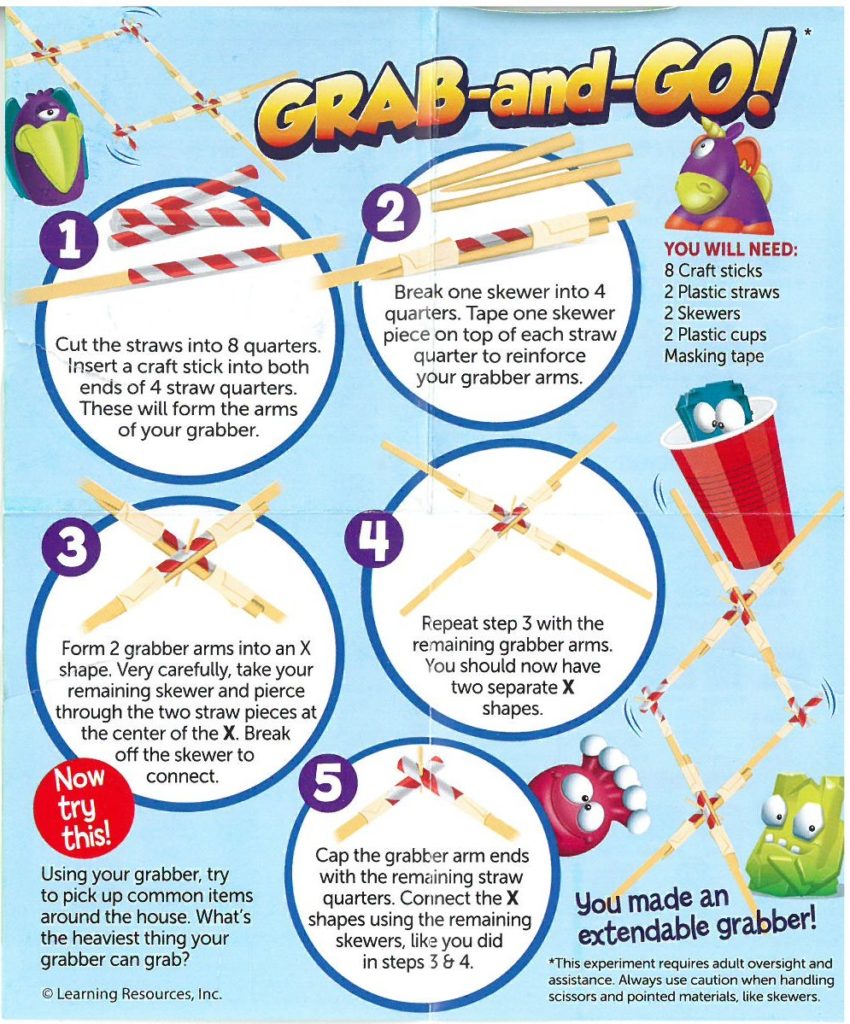
Here are 4 easy science experiments that you can do with your kids at home. They use (mostly) common ingredients that you already have on hand. Allowing your kids to play and get messy will activate their sensory system. Additionally, if you are interested in more ideas, Learning Resources has hundreds of free activities you
08.03.2020
Growing up Montana Style
I remember growing up Montana style. I would ride my bike on the dirt hills, bring garter snakes home in my water bottle, catch butterflies, and try to hatch fish eggs in my swimming pool. To my parents’ chagrin, the garage resembled a small zoo of bugs, arachnids, reptiles, and all kinds of science experiments.

07.28.2020
Crossing Midline
You might hear your occupational therapist frequently referring to the term “crossing midline”. Crossing midline is a vital skill for proficiency in fine motor and gross motor skills. Imagine a vertical line cutting your body in right and left halves. Therefore, your ability to reach across that line refers to the term “crossing midline”. This

05.12.2020
What Is Early Intervention? Why Is It Important?
Early intervention (EI) is a general term used to describe services that are offered to support babies and young children with disabilities or developmental delay, usually from birth to 3 years of age. Often, early intervention includes physical therapy, occupational therapy, and speech therapy. Why Is Early Intervention Important? There are a ton of skills