Body Awareness Matters For Kids
In a world where children are constantly stimulated by screens, schedules, and structured activities, one foundational skill often gets overlooked: body awareness. It sounds simple, almost too simple—but helping kids understand, feel, and navigate their own bodies is one of the most powerful tools we can give them. It shapes how they move, how they learn, and even how they feel about themselves.
So, now you are asking why body awareness matters so much and how it helps set kids up for a lifetime of confidence and well-being.
Body awareness (also called proprioception) is a child’s ability to recognize where their body is in space and how it moves. It’s the quiet, behind-the-scenes skill that supports almost everything else they do. It’s the internal sense that helps them:
- Know how much force to use when writing or throwing a ball
- Understand how to move through a crowded room without bumping into things
- Coordinate their limbs during play, sports, or dance
- Feel grounded and in control of their bodies
What Does Body Awareness Help With?
Here are some ways that promoting a child’s body awareness helps:
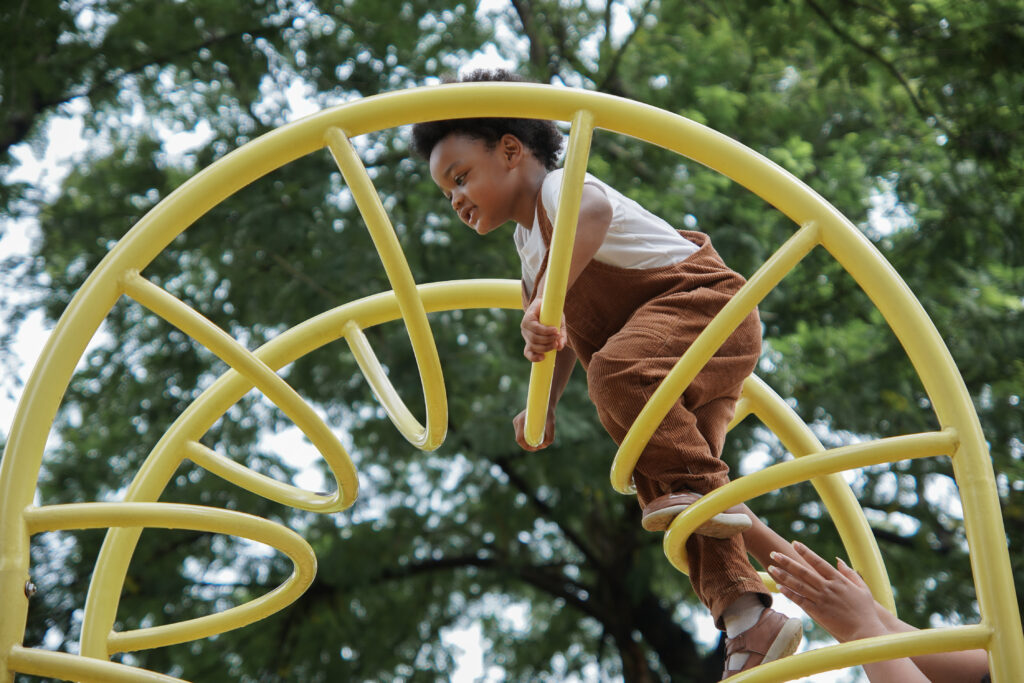
- Better Motor Skills – Kids with strong body awareness move with more confidence. They climb, jump, balance, and explore with ease. This isn’t just about sports—it’s about feeling capable in their own skin.
- Improved Learning – Believe it or not, body awareness is deeply tied to cognitive development. When kids can sit comfortably, control their posture, and coordinate their hands, they are more ready for writing, reading, and focusing in class.
- Emotional Regulation – A child who understands their body can better understand their feelings. Movement is one of the most natural ways for kids to process emotions. Body awareness helps them recognize when they’re overwhelmed, restless, or tired—and respond in healthier ways.
- Social Confidence – Kids who feel physically competent tend to engage more in group play. They’re less hesitant to join games, try new activities, or interact with peers.
- Safety and Independence – From navigating playground equipment to crossing the street, body awareness helps kids judge distance, speed, and risk. It’s a key ingredient in developing independence.
Developing body awareness isn’t just about physical skills. It’s about helping kids feel at home in their bodies—connected, confident, and capable. When children understand themselves physically, they move through the world with more ease and joy. And in a time when so much pulls them outward, body awareness gently brings them back to themselves.
So let them move! Let them explore! Let them discover what their amazing bodies can do!
Activities
Here are some simple activity ideas that help build body awareness in kids. Helping kids understand their bodies does not have to be complicated. Make it fun!! These playful activities work on strength, coordination, balance, and confidence.
- Animal Walks – bear crawl, crab walk, frog jumps are all great for whole body coordination
- Freeze Dance – move stop and repeat. This builds control and listening skills
- Kids Yoga – Simple yoga poses like tree, star, cobra, downward dog help with balancing and grounding.
- Obstacle Courses – crawl under, jump over, balance across – these are amazing for spatial awareness.
- Balance Play Activities – walk on taped lines, parking blocks, standing on one-foot, balancing bean bag on head.
- “Move Like…” – move like various animals, move like a sloth, move like a cheetah… fun ways to boost imagination and motor control.
- Nature Play – climbing logs, climbing trees, hopping on rocks, playing on uneven ground builds natural body awareness.
- Sensory Art / Exploration – Finger paint, clay, sand, playdough, slime – helps kids explore pressure, texture and movement.
- Breathing Games – belly breathing blowing bubbles, “smell the flower”, “blow out the candles”