Core Strength Matters in Every Sport: The Hidden Powerhouse:
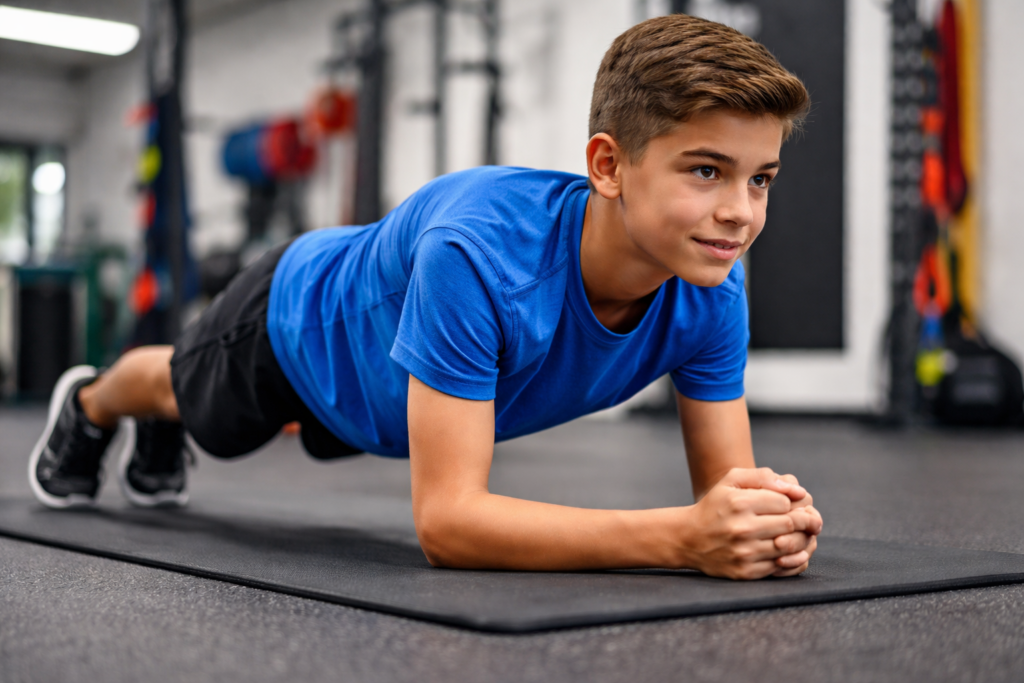
When people think about athletic performance, they often picture explosive legs, powerful arms, or lightning-fast reflexes. But core strength matters more than most athletes realize. Beneath every sprint, swing, jump, or throw is a strong and stable core working to keep the body efficient and controlled.
Whether you’re a runner, basketball player, swimmer, or weekend pickleball enthusiast, core strength is the foundation that supports movement, improves sports performance, and helps reduce injury risk.
What Is Core Strength?
The core is much more than just abdominal muscles. True core strength comes from an interconnected system of muscles that stabilize the spine and pelvis during movement. These muscles include:
- Deep abdominal muscles
- Lower back muscles
- Pelvic floor muscles
- Obliques
- Glutes
- Diaphragm
Together, they form a stabilizing cylinder that supports nearly every athletic movement. When these muscles work together efficiently, athletes move with better control, balance, and power.
Why it Matters in Sports
- Core Strength Improves Power and Speed – Nearly every explosive athletic movement begins at the center of the body. A soccer kick, tennis serve, or baseball swing all rely on force generated through the core. Strong core muscles transfer energy efficiently from the trunk to the arms and legs, improving speed, power, and precision.
- Core Strength Enhances Balance and Stability – Athletes constantly change direction, absorb impact, and react quickly. Core stability keeps the body aligned during these movements, allowing for better balance and improved coordination. When core strength is lacking, athletes often lose control and compensate with other muscle groups.
- Core Strength Helps Prevent Injuries – One of the biggest reasons core strength matters is injury prevention. According to physical therapy experts at ChoosePT, improving core stability helps support proper movement patterns and reduce stress on joints during athletic activity. Weak core muscles place extra stress on the hips, knees, and lower back, leading to compensation patterns and overuse injuries. Strengthening the core provides a stable base that protects joints and supports safer movement patterns — especially during periods of rapid growth. Learn more about supporting young athletes during growth spurts and how development changes can affect performance and injury risk.
- Core Strength Improves Endurance and Movement Efficiency – As fatigue sets in during practices or games, posture and mechanics often break down. Athletes with strong core muscles maintain proper alignment longer, allowing them to perform more efficiently and sustain performance late into competition.
- Core Strength Supports Better Breathing and Stamina – The diaphragm — a key breathing muscle — is part of the core system. A well-functioning core allows for more efficient breathing mechanics, improving oxygen delivery and overall endurance during athletic activity.
Building Core Strength for Long-Term Performance
Core strength is not just a fitness trend — it is a foundational component of athletic performance and long-term physical health. Athletes who focus on developing true core stability, rather than simply training for appearance, gain better movement control, improved performance, and reduced injury risk.
Whether you’re working toward a personal best or simply aiming to stay active and injury-free, building a strong and reliable core is one of the most important investments you can make in your body. Check out our one page checklist for Parents of Athletes to see if your athlete would benefit from physical therapy to address core weakness.