
Floor Time for Toddlers: Building Skills Through Play
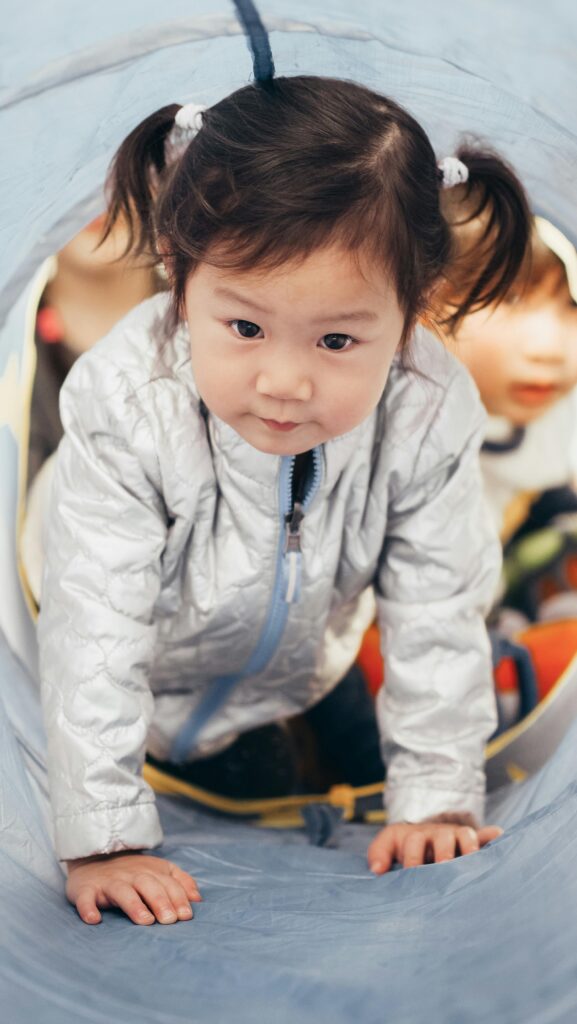
When we think of floor time, we often associate it with babies — tummy time, rolling, and reaching. Last week we learned all about why floor time for babies is beneficial. But did you know that floor time for toddlers remains just as important? For occupational therapists, it’s a vital opportunity for toddlers to develop independence, coordination, and emotional regulation — all while having fun on the floor!
What is Floor Time for Toddlers?
For toddlers, floor time means giving them the space and opportunity to move, explore, and interact with their environment in a low-to-the-ground setting. This can involve sitting, crawling, squatting, scooting, climbing, or lying down while playing. It also often includes interactive, child-led play, where an adult joins the toddler at their level to encourage connection and learning.
Why does floor time still matter after babyhood?
Supports Gross Motor Development: Toddlers continue to refine their core strength, balance, and coordination through floor-based movement. Floor play helps prepare the body for more complex tasks like running, climbing, and jumping.
Boosts Fine Motor Skills: Think building blocks, puzzles, or toy manipulation — all of these help toddlers develop the hand strength and dexterity needed for future skills like drawing, feeding, and dressing.
Encourages Sensory Integration: Toddlers are still learning how to process and respond to different types of sensory input. Floor time allows them to explore textures, practice body awareness, and regulate their responses to movement and touch.
Fosters Emotional and Social Development: When adults join toddlers on the floor and follow their lead, it builds connection, trust, and communication. This interactive approach supports emotional regulation, early problem-solving, and expressive language development.
What Does Effective Floor Time Look Like?
It doesn’t have to be complicated! Here are some OT-approved ideas for engaging floor time with toddlers:
- Play Ideas
- Stacking blocks or cups
- Crawling through tunnels or over pillows
- Playing with play dough or textured sensory bins
- Sorting toys by color, shape, or size
- Dancing, rolling, or pretending to be animals
- Positioning Matters
- Squatting to pick things up — great for leg strength and balance
- Side-sitting and cross-legged sitting — helps develop core and trunk stability
- Crawling through obstacle courses — builds bilateral coordination and problem-solving
Tips
Follow Their Lead: Let your toddler guide the play. Your role is to scaffold (support) their learning, not direct it.
Keep It Low and Simple: Avoid placing toys on elevated surfaces. Keep things at floor level to encourage natural movement transitions like crawling, sitting, and standing.
Use Natural Materials: Use safe household objects like boxes, cushions, scarves, or wooden spoons to promote creative and open-ended play.
Be Present: Getting on the floor with your toddler shows them you’re engaged. This shared attention is a critical part of social-emotional development.
It may be helpful to seek guidance from a pediatric OT. Early support can make a lasting difference. An OT can help if your toddler:
- Avoids floor-based play
- Has difficulty transitioning between sitting, crawling, or standing
- Struggles with coordination or seems unusually clumsy
- Has trouble focusing during play or becomes easily overwhelmed
Floor time isn’t just for babies — it’s a crucial, engaging way to support a toddler’s motor, sensory, and social-emotional development. By simply joining your child on the floor, you’re helping them build the foundation for a lifetime of movement, learning, and connection.