Oromyofunctional Disorder: What Is it and How Do You Treat It?
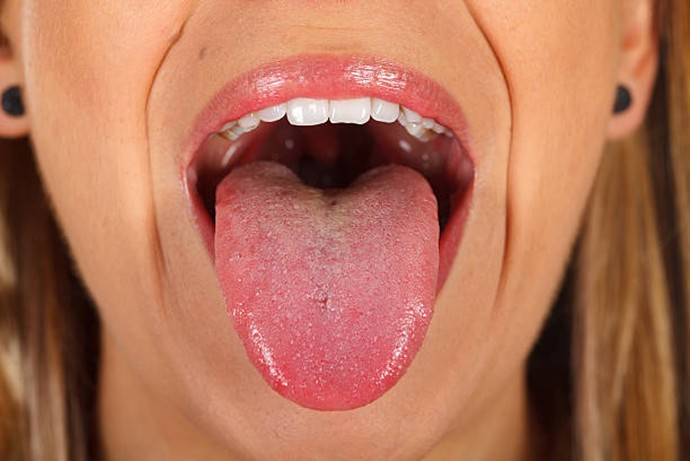
Orofacial myofunctional disorders (OMDs) are patterns involving oral and orofacial musculature that interfere with normal growth, development, or function of orofacial structures. According to the American Speech-Language-Hearing Association (ASHA), these patterns can impact breathing, chewing, swallowing, and speech. Orofacial musculature dysfunction can occur at any stage in life. Understanding OMDs is the first step toward improving oral health, facial development, and long-term orthodontic stability. Let’s look more into oromyofunctional disorder and how skilled treatment can help. (ASHA, 2022).
Why Breathing and Tongue Posture Matter
Breathing, chewing, swallowing, and resting posture of the tongue and lips all play a critical role in how the face and teeth develop. When these functions are not working as they should, it can lead to issues. These issues can affect both oral health and orthodontic outcomes. Orofacial myofunctional therapy, often called OMT, focuses on correcting these patterns to support healthy breathing, facial development, and long-lasting orthodontic results.
One of the most common concerns addressed through oromyofunctional therapy is mouth breathing. While it may seem harmless, chronic mouth breathing can have a significant impact on facial growth, dental alignment, and overall health. When the mouth stays open at rest, the tongue often rests low in the mouth instead of against the palate. This lack of tongue-to-palate contact can affect how the upper jaw develops, often contributing to narrow arches, teeth crowding, airway challenges, allergies, enlarged tonsils or adenoids, and habitual patterns that develop over time.
These functional changes are especially important for individuals who have had or are planning orthodontic treatment. Braces or aligners can straighten teeth, but they do not correct the muscle patterns that influence tooth position. If improper tongue posture, mouth breathing, or incorrect swallowing patterns remain, teeth are more likely to shift after orthodontic treatment is complete.
A Collaborative Approach to oromyofunctional disorder
Oromyofunctional therapy is often most effective when used as part of a collaborative approach. Dentists, orthodontists, speech-language pathologists, airway-focused providers, and ENT specialists may work together to ensure both structure and function are addressed. This team-based care helps ensure lasting results rather than temporary fixes.
For children, early intervention can support more favorable facial growth. It can reduce the need for extensive orthodontic treatment later in life. For adults, intervention can support improvement in nasal breathing which associates with increased oxygen intake, reduces snoring, and improves focus and energy levels. Oromyofunctional therapy is not about perfection or quick results. It is about building awareness, strengthening muscles, and establishing healthy habits that support lifelong oral and airway health.
References
- “Orofacial Myofunctional Disorders.” American Speech-Language-Hearing Association, American Speech-Language-Hearing Association, https://www.asha.org/practice-portal/clinical-topics/orofacial-myofunctional-disorders/.