
Pediatric Toe Walking
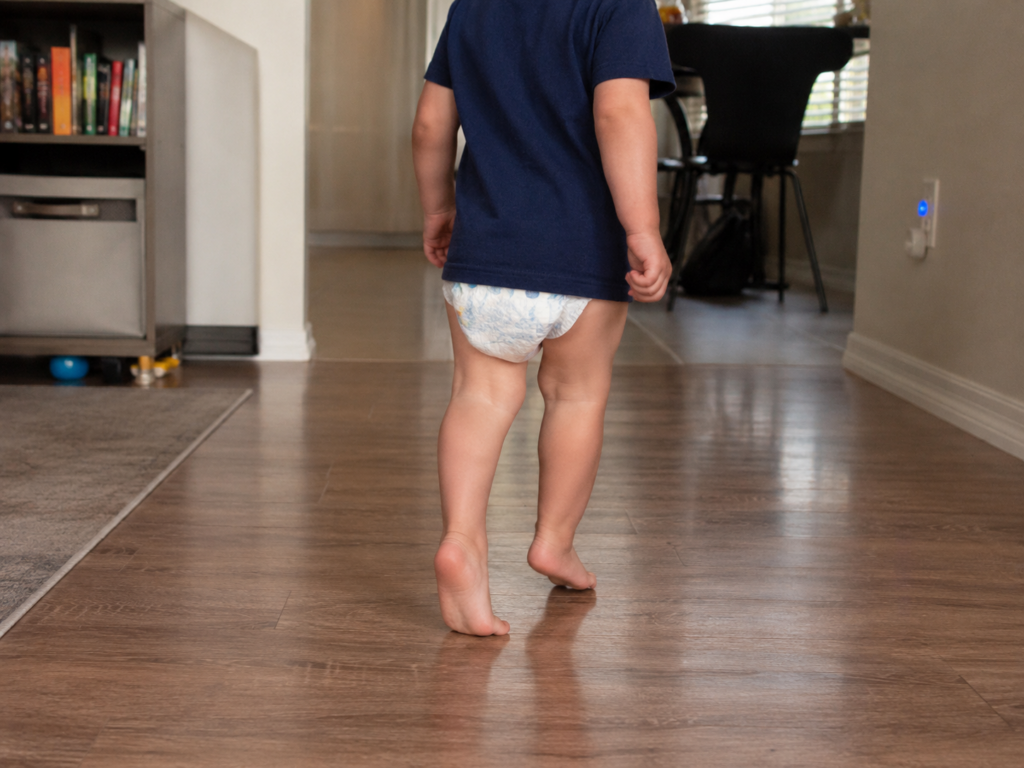
Watching a young child walk on their toes can seem harmless — and in many toddlers, it is. During the early stages of learning to walk, children often experiment with different movement patterns, including toe walking. In many cases, this phase resolves naturally as balance, coordination, and strength improve. However, when pediatric toe walking persists beyond the toddler years, it may be a sign that a child’s body is compensating for underlying challenges involving strength, mobility, posture, motor control, or sensory processing. Persistent toe walking should not simply be dismissed as “just a habit.”
What Is Toe Walking?
Toe walking occurs when a child walks primarily on the balls of their feet without consistently placing their heels on the ground. While occasional toe walking can be common in children under age two, ongoing toe walking may warrant further evaluation.
The term idiopathic toe walking is often used when no clear neurological or orthopedic diagnosis is identified. But many pediatric specialists now recognize that toe walking is frequently connected to deeper movement, sensory, or developmental factors — even when no formal diagnosis exists.
Possible Causes of Toe Walking
Toe walking is not always caused by tight calf muscles alone. In fact, it is often a whole-body movement pattern influenced by several systems working together.
Some contributing factors may include:
- Tightness in the Achilles tendon or calf muscles
- Weakness in the core, hips, or lower extremities
- Sensory processing differences
- Vestibular or balance challenges
- Postural instability
- Vision impairments
- Increased muscle tone or neurological conditions
- Motor planning or coordination difficulties
Toe walking has also been associated with conditions such as cerebral palsy, muscular dystrophy, autism spectrum disorder, and developmental delays. Some other risk factors can include frequent heel pricks as an infant. It can also sometimes be connected to broader coordination and motor planning challenges. This is why a thorough evaluation is important when toe walking persists.
Why Early Evaluation Matters
Many children who continue toe walking develop physical adaptations over time. So, as the body grows, persistent toe walking can contribute to:
- Tight calf muscles and limited ankle mobility
- Poor balance and coordination
- Frequent tripping or falling
- Difficulty participating in sports or playground activities
- Foot, knee, hip, or back discomfort
- Changes in posture and walking mechanics
- Difficulty finding shoes that fit
- Social stigma
Early intervention can help prevent these long-term compensations from becoming more difficult to treat later in childhood.
How Pediatric Physical Therapy Can Help
Pediatric physical therapists evaluate much more than the feet and ankles. A comprehensive assessment looks at how the entire body moves and functions together. Treatment plans are specific to each individual and may include:
- Stretching and mobility exercises
- Strengthening for the core and lower body
- Balance and coordination activities
- Gait retraining
- Sensory integration strategies
- Home exercise programs
- Taping techniques
- Orthotics, braces, or night splints
The goal is not simply to “force heels down,” but to improve the child’s overall movement quality, stability, body awareness, and functional mobility.
When Should Parents Seek Help?
Parents should consider an evaluation if their child:
- Continues to toe walks most of the time after about 3 months of walking
- Toe walking is increasing instead of decreasing
- Cannot comfortably place their heels flat on the floor
- Complains of leg or foot pain
- Frequently trips or falls
- Shows stiffness, tightness, or balance concerns
- Has delays in coordination or motor skills
- Recently began toe walking after previously not walking on toes
In many cases, earlier intervention leads to better outcomes and may reduce the need for more aggressive treatment later on.
A Whole-Child Approach
Toe walking is rarely just about the feet. Rather, it is often a reflection of how a child’s muscles, nervous system, posture, sensory processing, and movement patterns work together. By addressing the root causes instead of only the symptom, pediatric therapy can help children move more efficiently, confidently, and comfortably in everyday life.
If you have concerns about your child’s walking pattern, speaking with a pediatric physical therapist can provide clarity, reassurance, and guidance on the next best steps.
References
- Know to Change. (n.d.). Know to Change. https://www.knowtochange.com/