
Sensory Processing
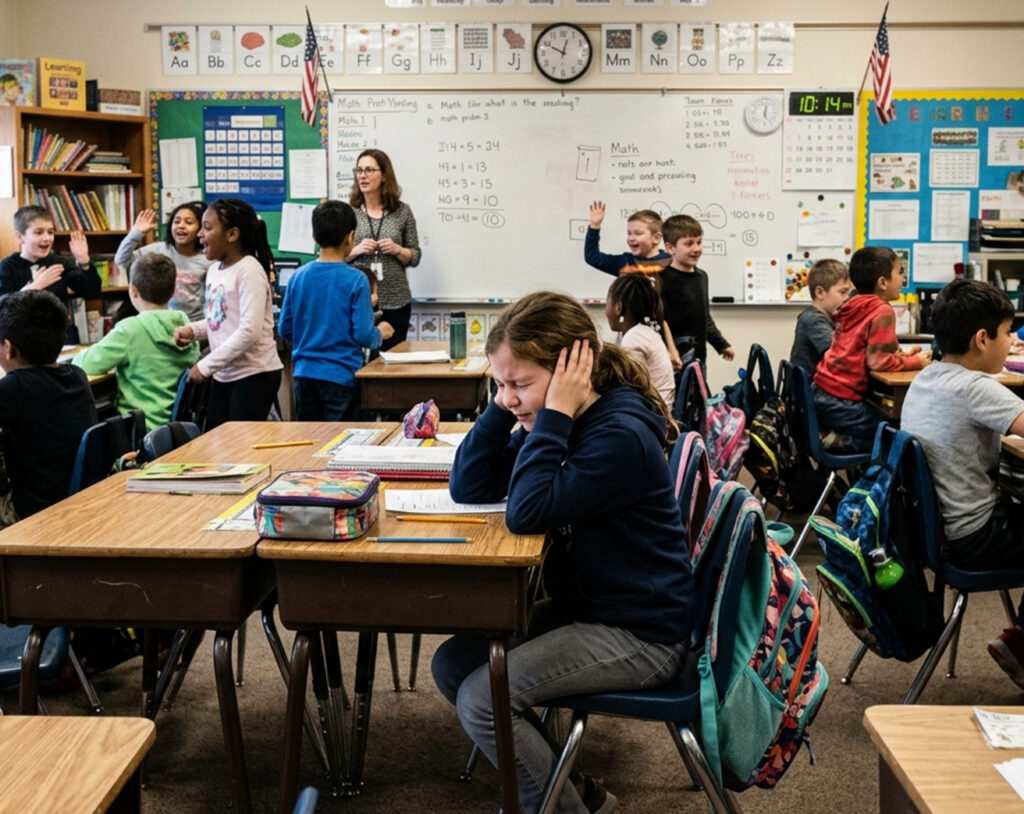
Sensory processing is the way a child’s brain receives, interprets, and responds to information from the world around them. Most kids take in sights, sounds, textures, movement, and internal cues without much effort. But for some children, this process is harder—louder, brighter, more confusing, or not intense enough. When the brain struggles to organize sensory input, everyday experiences can feel overwhelming or unpredictable, leading to behaviors that parents often find confusing.
What Sensory Processing Really is
Children use eight sensory systems—not just the five we typically think of—to understand their environment:
- Sight (visual)
- Sound (auditory)
- Touch (tactile)
- Smell (olfactory)
- Taste (gustatory)
- Balance (vestibular)
- Body awareness (proprioception)
- Internal cues (interoception)
These systems work together to help a child stay regulated, pay attention, move safely, and participate in daily routines. When the brain has difficulty sorting, filtering, or responding to this information, sensory processing disorders can occur.
Why Do Some Kids Struggle More than Others?
Not all children process sensory information the same way. Some are hypersensitive—their nervous system reacts too strongly. Others are hypo sensitive—they don’t register input fully and seek more. Many kids experience a mix of both.
- Neurological Differences – Some children’s brains interpret sensory signals differently, making ordinary sensations feel overwhelming, dull, or confusing. These differences are real neurological variations—not behavior problems.
- Co‑Occurring Conditions – Sensory challenges often appear alongside ADHD, autism, anxiety, OCD, and developmental delays. But they can also occur in children with no diagnosis at all.
- Environmental Demands – Busy classrooms, loud stores, bright lights, scratchy clothing, or unpredictable routines can intensify sensory difficulties. What feels “normal” to adults may feel like a carnival on full blast to a child with sensory sensitivities.
- Individual Sensory Profiles – Every child has a unique sensory “fingerprint.” One child may avoid loud noises but crave deep pressure. Another may love spinning but gag at certain food textures. These patterns shape how they respond to daily experiences.
Sensory Challenges can Become Barriers
When sensory processing differences go unrecognized, they can affect nearly every part of a child’s day.
- Getting Dressed – Tags, seams, or certain fabrics can feel painful or unbearable, turning a simple routine into a meltdown.
- Eating Meals – Children may avoid foods based on texture, smell, or temperature—not because they’re “picky,” but because their sensory system interprets these sensations differently.
- School Participation – Sensory overload from noise, lights, or movement can make it hard to focus, follow directions, or stay regulated in the classroom. Kids may appear inattentive, anxious, or disruptive when they’re actually overwhelmed.
- Social Interactions – A child who avoids touch, reacts strongly to noise, or seeks intense movement may struggle to join peers in play. Misunderstandings can lead to frustration or isolation.
- Emotional Regulation – When the sensory system is overloaded or under-stimulated, emotional responses can escalate quickly. Meltdowns, shutdowns, or big reactions often reflect sensory stress—not misbehavior.
Why Understanding Sensory Processing Matters
Recognizing sensory processing disorders helps parents and caregivers:
- Reframe behaviors (“won’t” becomes “can’t yet”)
- Reduce frustration for both child and adult
- Modify environments to support regulation
- Choose activities that meet sensory needs
- Seek appropriate support, such as occupational therapy
When we understand the why behind a child’s reactions, we can respond with empathy instead of confusion. Learn more about the role of occupational therapy in helping children participate in everyday activities,