
Shoulder Weakness in Kids
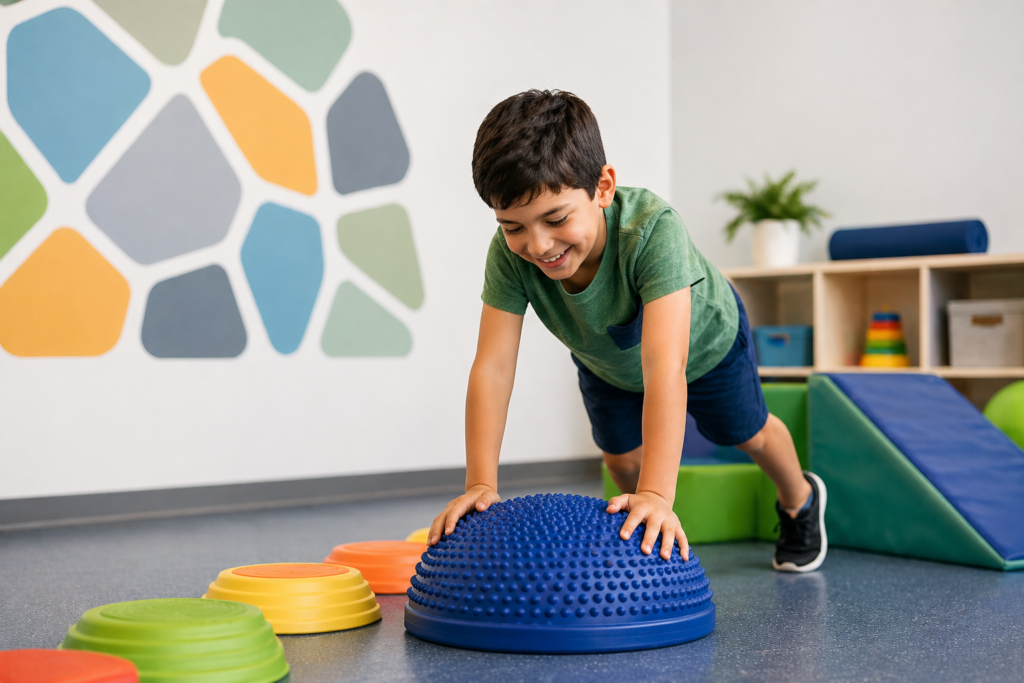
Shoulder weakness is more than “a tired arm.” It’s a functional challenge that can influence how a child plays, moves, explores, and participates in daily routines. Understanding what shoulder weakness actually is—and what it isn’t—is the first step toward building strength, confidence, and independence.
f you’re concerned about your child’s strength, coordination, or development, it can be helpful to understand what’s typical—this parent-friendly resource from HealthyChildren offers a helpful overview of child development and movement skills.
What is Shoulder Weakness?
Shoulder weakness refers to reduced strength, stability, or endurance in the muscles that support and move the shoulder complex. This includes the:
- Rotator cuff muscles (stabilizers that keep the shoulder joint centered)
- Scapular muscles (like the trapezius, serratus anterior, and rhomboids)
- Deltoids (lifters and movers of the arm)
- Upper arm muscles (biceps and triceps, which assist with positioning and control)
When these muscles aren’t working efficiently, the shoulder can’t provide the stable base needed for fine motor skills, gross motor play, or coordinated movement.
Why Shoulder Strength Matters
The shoulder is the foundation for almost every upper‑body task. Weakness here can affect:
- Reaching and lifting (placing items on shelves, carrying toys)
- Play skills (throwing, climbing, swinging, pushing, pulling)
- Fine motor control (writing, cutting, dressing, feeding)
- Postural endurance (sitting upright at a table, maintaining alignment)
- Bilateral coordination (holding paper while writing, stabilizing during tasks)
When the shoulder isn’t strong enough, children often compensate with inefficient patterns—like leaning, using two hands for tasks that should require one, or avoiding certain movements altogether.
What Causes Shoulder Weakness?
Shoulder weakness can arise from a variety of factors, including:
- Low muscle tone
- Delayed motor development
- Neuromuscular conditions
- Injury or immobilization
- Poor postural stability
- Limited exposure to weight‑bearing or climbing play
- Sensory processing differences that impact body awareness or motor planning
Understanding the “why” helps guide the “how” when it comes to intervention.
What Does This Look Like in Daily Life?
Children with shoulder weakness may:
- Fatigue quickly during tabletop tasks
- Avoid climbing, pushing, or pulling activities
- Use their whole body to stabilize instead of isolating arm movements
- Struggle with midline crossing or overhead reaching
- Lean heavily on the table while writing or coloring
- Hold writing utensils with excessive pressure or awkward grips
- Show decreased accuracy in throwing or catching
These signs aren’t about effort—they’re about capacity. And capacity can be strengthened. Activities like drawing or playing on vertical surfaces can be especially helpful for building shoulder strength. Therapy will address shoulder weakness by building strength, improving coordination, and enhancing body awareness through engaging, purposeful activities. By connecting these gains to everyday skills like writing, dressing, and play, therapy makes progress both meaningful and lasting—while keeping kids motivated through fun, play-based approaches.