Stroke Recovery Research News
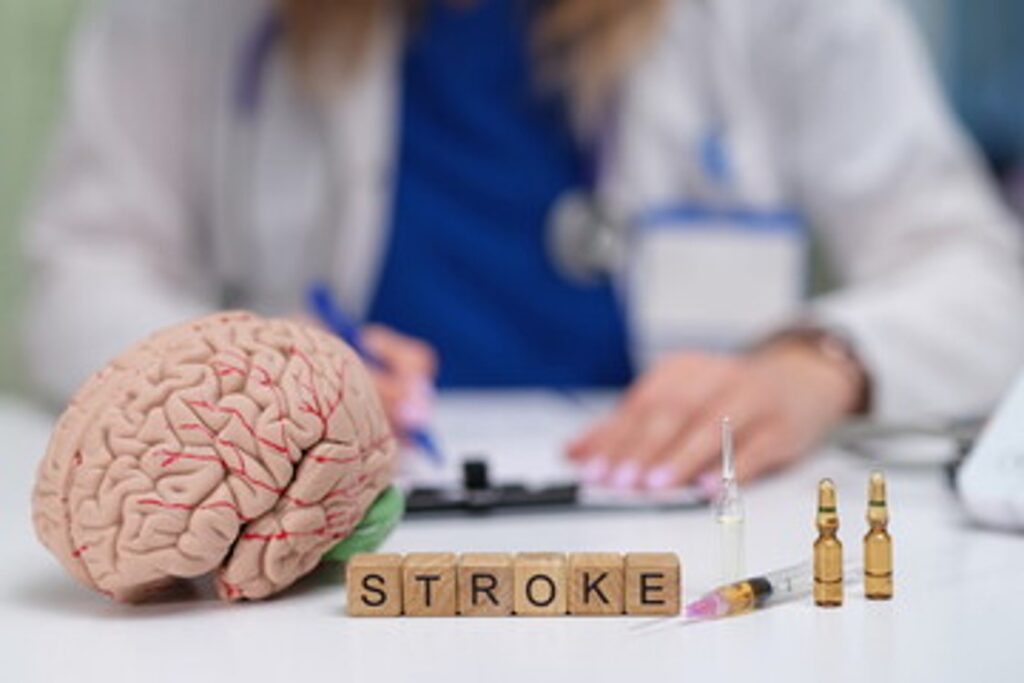
New research in stroke rehabilitation is putting some previously held beliefs in stroke recovery to rest and has advanced some promising, although experimental, treatments.
An often-held belief is that therapy must occur within a window of time following a stroke. Typically that it must happen in the first three months in order to be effective. Studies have shown that stroke patients have made progress with treatment months to years after experiencing a stroke. Progress may not be as dramatic, but it is of benefit to persist in therapy. On a similar note, a common practice in stroke rehabilitation is to provide therapy two to three times per week. This is now insufficient. Intensive therapy across therapy disciplines (as indicated) at six times per week following stroke onset is now necessary for maximum recovery.
We hear about the importance of physical exercise all the time. Now, moderate exercise, although beneficial, is no longer good enough. A study in high intensity interval training (HIIT) is finding HIIT results in changes to areas of the brain responsible for memory. These changes were still evident five years after the study, even if participants no longer engaged in exercise at the same intensity. Thus, supervised HIIT following stoke may have benefits beyond improved mobility.
Research in stroke rehabilitation continues to evolve. Two newer therapies for stroke recovery are vagus nerve stimulation and transcranial magnetic stimulation. Vagus nerve stimulation is historically a treatment for epilepsy. Recently, in stroke patients, research shows it can alter electrical activity and neurotransmitter levels in the brain. When paired with occupational or physical therapy, hand or arm function had two to three times the improvement as compared to conventional therapy alone. However, vagus nerve stimulation is only showing to be beneficial in one specific type of stroke.
Transcranial magnetic stimulation is another new treatment. Electromagnetic coils are placed against the scalp over damaged areas of the brain. They are activated during physical or cognitive exercises. Magnetic pulses sent through the coils modulate neural activity in the brain. Reports of improvement in motor function, swallowing ability, cognition, and stroke related pain are all possible. Unfortunately, some concerning reports of side effects are occurring, including epilepsy, headache, short term hearing loss, dizziness and syncope. It is important to understand that transcranial magnetic stimulation in stroke rehab is entirely experimental and needs further studies.
The developments in stroke recovery research for new treatments is exciting. However, as with any new therapy, and especially with experimental therapies, it is best to consult with your medical provider when considering a treatment.