
How to Potty Train

How to potty trainNow that it has been determined that your child(ren) is ready to begin potty training, we now need to talk about HOW to potty train and be successful! Potty training is a huge step for your child and for you. The secret to success is: PATIENCE and TIMING!

Potty training success hinges on physical, developmental, and behavioral milestones, not age. Recall that many children will show signs of being ready to potty train. This is when you know that you can start. There is no rush and if you start too early it may take your child longer to train.

Here We Go! Let’s Learn How to Potty Train

When it is time to begin potty training use these guidelines to help you along the way:

Prepare the equipment

Firstly, place a potty chair wherever your child is spending most of their time. Make sure that your child’s feet touch the ground. This may mean that a run to the store is necessary to purchase step stools. Encourage your child to sit on the potty in clothes. Start by emptying the contents of diapers into the toilet and have them flush it down.

Choose your words

Secondly, carefully choose your words for how you will describe your child’s bodily fluids. Avoid using words in a negative tone such as stinky, smelly, and dirty.

Be ready to move…FAST

When you embark on potty training, get ready to move and move FAST! Carefully watch for signs that your child may need to use the toilet. Some of these signs may include: squirming, squatting, or holding at the genital area. Help your child identify and become familiar with these signals. Immediately stop what they are doing and head to the closest toilet. Remember, keep the situation positive!

Make a schedule

Make going to the potty a routine. Start by taking your child to the potty every two hours, as well as every morning (when they wake up), naps (before and after they wake up) and right before they go down for bed. It can often be easier for boys to master potty training sitting down. After your boy has mastered having a bowel movement on the potty, you can move to standing up. Make this fun by bringing a favorite book or toy to read or play with while getting use to sitting on the potty. Offer praise to your child even for just sitting on the potty. You can increase the incentives as they become more successful using the potty.

Hygiene

Make sure you explain hygiene to your young child and form healthy habits. Ensure that your child washes their hands after every attempt at using the toilet (successful or not). For girls, make sure you teach them how to spread their legs wide and to wipe from front to back in order to avoid germs and bacteria moving from the rectum to the vagina and bladder.

Diaper Free

Make sure you ditch the diapers a few days in to your efforts of potty training. Feel free to use incentives, like a sticker chart, to help encourage your child to be successful. And, always make it fun and rewarding. You want to avoid negativity and feelings of frustration.

Finally, if your child resists using the potty chair or toilet or isn’t getting the hang of it within a few weeks, take a break. Chances are they aren’t ready yet. Pushing your child when they aren’t ready can lead to a frustrating power struggle. Try again in a few months. To help determine if your child is ready to potty train, check out Is it Time to Potty Train? or this article from the Mayo clinic.

Is it Time to Potty Train?

Is it time to potty trainIs it time to potty train? How do you really know when the right time is? Whether you as a parent are ready to be done with diapers, your child needs to be potty trained for childcare, or you just want to save money, we all have our own reasons for potty training. Whatever your reason may be for potty training, these tips should help guide (and determine) if you and your child are ready. Also, these tips should help navigate the potty training process.

So, Is Your Child Ready to Potty Train?

Here are signs that your child is ready to start potty training:

  1. Pulling at a wet or dirty diaper
  2. Trying to hide to poop or potty
  3. Awaking from a nap with a dry diaper
  4. Telling you they need to go or telling you that they have gone
  5. Interested in the toilet

Making the Best Attempt

Above all, make sure you and your child are ready. There is not a magical age to potty train. When your child is showing signs of readiness, make sure you can commit. It is best if you can find a stretch of time to dedicate to potty training. Therefore, an extra long weekend would work well.

Secondly, don’t be shy. Teaching your child to use the bathroom is not an area where you can by shy and timid. Children often learn most by watching. If your child can watch and learn from you, then they will feel better about using the toilet.

Finally, don’t give up! You will be exhausted and probably tired after day one of constantly running to the potty. Don’t stop! You will be tired of cleaning up messes on the floor or down the side of the toilet. You may even have an entire load of laundry in one day. KEEP IT UP!

Keep It Successful

Initially, give incentives. Make sure that you talk to your child and get them excited for their success on the potty. Remind them of all the cool things that they will get to do when they are a “big kid.” Incentives include talking to them about being able to go to a movie in the theater, swimming in the big pools, miniature golfing, etc. Keep them focused on whatever it may be that they would like to be able to do.

Secondly, if incentives fail, resort to bribes. If the incentives are not working, it is OK to resort to bribery. Make the bribes small. Offering them a piece of candy, sticker, or small toy can all be motivators for using the toilet. Sticker charts can work well and build up to a fun toy. Keep in mind, these bribes are small, nothing expensive or elaborate.

Another option is books. Read books about using the bathroom. Some can be fun and interactive where they get to flush the toilet or put stickers on a chart. In addition, reading a favorite story while on the toilet can also help. Lastly, be creative and make the potty training process exciting. Keep it fun and entertaining. And remember, if you decide that it is not the right time to potty train, that is okay. Try again later. For more potty training information and tips, check out Potty Training 101 and 8 Tips that Work!

You Need a PT to Coordinate Your Fitness Regimen

PT to coordinate your fitnessPhysical therapists aren’t just for people that are injured or have had surgery. Physical therapists can also help healthy people improve their fitness. Here are 5 reasons why you need a PT to coordinate your fitness routine.

You Want a Baseline

When you see a physical therapist to improve your fitness, you’ll get an assessment of your strength, range of motion, posture, and movement patterns. This not only helps your physical therapist design a customized program just for you, it gives them a baseline to compare things to in the future should you start having pain or suffer an injury.

You Want Expert Guidance

Sure, other professionals could help with your fitness routine, but the fitness industry is not well regulated. Some certifications just require an online course and paying a fee. There are no licenses or other requirements to use many titles. Becoming a physical therapist requires at least a bachelor’s degree and most PTs practicing today have a doctorate. Every PT has passed a national board exam and maintains a state license. That guarantees you that every physical therapist is a verified expert in human movement.

You Want to Prevent Injury

Physical therapists don’t just work to heal injuries, they are also experts in preventing them. After a thorough assessment, a PT can help you design a program that will not only help you reach your fitness goals, but that can address any issues that increase your risk for injury.

You Want Unbiased Advice

Yoga instructors will want you to do yoga. Personal trainers will want you to come to their gym. Pilates instructors will want you to do Pilates. Strength coaches will want you to strength train. But, a physical therapist doesn’t have a bias or vested interest as to what type of fitness regimen you choose. They are only interested in helping you reach your goals.

You Have a History

If you have some kind of history that affects your ability to exercise, a PT is the best person to help you design a fitness regimen. It doesn’t matter if it’s an old injury from athletics or work, back pain that comes up from time to time, COPD, arthritis, or heart disease, a PT can help you safely work around it and meet your fitness goals.

Physical therapists are MOVEMENT experts. They can answer questions like, “Is squatting bad for my knees?” or, “How do I prevent movement dysfunction?” So don’t wait, call MOSAIC today to set up your evaluation and get your PT to coordinate your fitness routine. Or, if you still have questions about why a physical therapist is right for you, check out Choose PT.

Speech Therapy Treatment for Adults

When you think about a speech therapist, you might associate them with working with children. However, did you know that speech therapy can also help adults? In this article, I will explain common disorders in adults that are associated with speech therapy. I will also explain the evaluation process.

Common Speech Therapy Disorders in Adults

There are a variety of disorders in adults that a speech therapist can help with. Often, we are quick to associate speech therapy with disorders of speech, language, and communication. However, there are a variety of other related disorders:

Dysarthria

Dysarthria is a motor speech disorder. It occurs when muscles used for speech (e.g., facial, lip, and tongue muscles, or the vocal cords) become weak. This weakness can result in slowed, slurred, and/or quiet speech that is difficult for others to understand. Dysarthria affects a variety of speech subsystems including: respiration, phonation, resonance, articulation, and prosody. It can occur as a result of damage to the part of the brain that controls speech sound production. Damage can result from injury including: a stroke, head injury, or muscular disease (e.g., Parkinson’s disease).

Apraxia of Speech

Apraxia of speech is a motor disorder. It occurs when the brain experiences difficulty relaying information essential for performing speech tasks. An individual with apraxia might find it impossible to control the speech muscles used to form words and sentences. While the individual may desire to speak, they are physically unable to. In adults, apraxia can result from injury including: a stroke, head injury, or dementia. In these instances, it is considered acquired versus developmental.

Articulation

Articulation disorders often begin in adults during their formative, childhood years. Without early intervention, the individual’s “speech impediment” (articulation disorder) may persist into adulthood.

Fluency/Stuttering

Fluency/stuttering is a speech disorder that impacts the flow of speech. It affects individuals across all ages and approximately 3 million Americans. Stuttering is involuntary and can include the following: repetition of syllables, sounds, words, or phrases; prolongation, silent pauses, or blocks. It is common for a person who stutters to know what they want to say but experience difficulty expressing it. Stuttering can impact a person’s social, educational, vocational, and emotional lives.

Voice

Voice disorders occur when vocal cord movement is impacted. This can impact the pitch, volume, tone, and function of an individual’s voice. Voice disorders can originate from stress, injury, or disease. Common voice disorders include, but are not limited to: laryngitis, polyps, vocal cord paralysis, or spasmodic dysphonia.

Language Disorders in Adults

Aphasia

Aphasia is a language disorder that occurs when an individual experiences brain damage, often secondary to a stroke. Damage generally occurs on the left side of the brain which functions as the center for language. It can impact receptive and expressive modalities including: auditory comprehension, verbal expression, reading comprehension, and written expression.

Cognitive Communication

Cognitive communication disorder impacts one or more of the major cognitive processes. This includes attention, memory, language, executive function, and visuospatial perception. Difficulties can arise from frontal lobe or right hemisphere brain damage. Deficits are often characterized as cognitive communication, or cognitive-linguistic disorders.

Swallowing Disorders in Adults

Dysphagia

Dysphagia, or swallowing disorders, can impact an individual at one or more of the different swallowing stages. This includes: oral, oropharyngeal, pharyngeal, and esophageal phases. Generally, a swallowing disorder impacts an individual’s safety and comfort for all swallow functions (e.g., eating, drinking, taking pills). The cause of swallowing disorders can be a result of injury, neurological disease, stroke, medications, or other medical conditions.

Diagnosing a Disorder

Diagnosing a disorder always begins with an evaluation. Evaluation includes formal, standardized measures and informal measures. Not only is the speech therapist looking for a diagnosis but also the severity of that diagnosis.  Evaluation almost always includes an interview with the person and/or their family members. The interview process helps individualize the evaluation to the individual. Evaluation also involves some form of standardized testing.  Testing helps determine how an individual compares to average or “normal” and helps to justify services for insurance purposes. Once the evaluation is complete, the therapist will complete a report containing pertinent information from the interview, testing, and evaluation. Thereafter, a treatment plan will be created with other related recommendations.

Speech Therapy Treatment

Once it has been established that the person can benefit from speech therapy, appointments are made to meet the established plan of care. Treatment generally ranges from daily to one or two times a week. At times, treatment appointments are every other week.  Or, on a monthly basis. The therapist will provide a home program to assist progress. The more severe a condition, the more intense the treatment schedule may be.

References
  1. Sherred, L. Speech therapy for adults: A helpful and definitive guide.  Expressible, LLC.
  2. Hearing Sol. com.  2017.


Fly Fishing and Occupational Therapy

fly fishing and occupational therapyHow can fly fishing possibly have anything to do with occupational therapy? If you live in Montana, you likely have experienced one of the most amazing outdoor adventures this great state has to offer: fly-fishing. Just like many skills in life, fly-fishing incorporates many therapeutic benefits. It provides a host of opportunities for children (and adults!) to experience a variety of sensory, fine motor, and gross motor experiences.
Let’s talk sensory!

How does fly fishing incorporate occupational therapy-like sensory experiences? First and foremost, fishing provides a natural sensory experience with water. Whether you are fishing in a stream, pond, or lake, you are bound to get wet. But what about those mossy rocks and slimy weeds? With each step, your toe is peeking out from your sandal or your calf is rubbing up against the bank full of weeds. Your tactile awareness tells you to take a step, rub your calf, or jump out of the water.

Depending on how many times you’ve experienced this feeling, your first response will likely be to jump to the bank to assure you haven’t just encountered a snake! And how about when you finally catch that fish? You surely won’t be able to avoid touching the slimy, slippery, and smelly fish! This moment has bombarded you with a huge sensory experience involving touch and smell. If you’re like me, it can sometimes be a tipping point.

Fly fishing, occupational therapy, and fine motor

Surprise! You’ve tangled your line and now have to cut everything off and tie on another fly. Your fine motor skills are surely to advance with each time this happens. Fine motor and fly fishing? It’s often times half the battle. Whether you’re picking out that fly from your box, tying that fly on to your line, or untangling a knot, you may just spend your whole day using those fine motor muscles. The small muscles that contract and relax in your hand are what allow you to coordinate those tiny movements when you’re problem solving the current situation. The more you do it and the more you challenge those muscles, the stronger they get and the task becomes second nature.

Gross motor and fly fishing…the other half of the battle!

Your fine motor skills are only as strong as those gross motor skills and your ability to stay upright in that moving stream. With each step you navigate in a stream or lake, your body must make adjustments to the uneven ground of slippery rocks and hidden surfaces disguised by the texture of the water.

What about that other motor component (arguably the most important)? Using our arms to manipulate the fly rod is THE skill. When perfected, it allows you to present your tasty fly just right. The fish has no chance but to snag it! This is often the most challenging part of the sport– casting. You may have heard the term “10 and 2”. This is a term that’s used to describe how to cast your rod. It’s like you’re moving it in a back and forth motion from the 10 to the 2 on the clock. Check out this blog for tips on learning how to cast.

This sport is arguably the most challenging, frustrating, rewarding, and skilled of all outdoor sports. Don’t give up! Be sure to seek some guidance because nothing is more rewarding that landing that first fish on your fly rod. You’ll surely be hooked!

For more fun ways to incorporate OT related activities into daily life, check out Cooking with Kids!

Is Squatting Bad for Your Knees?

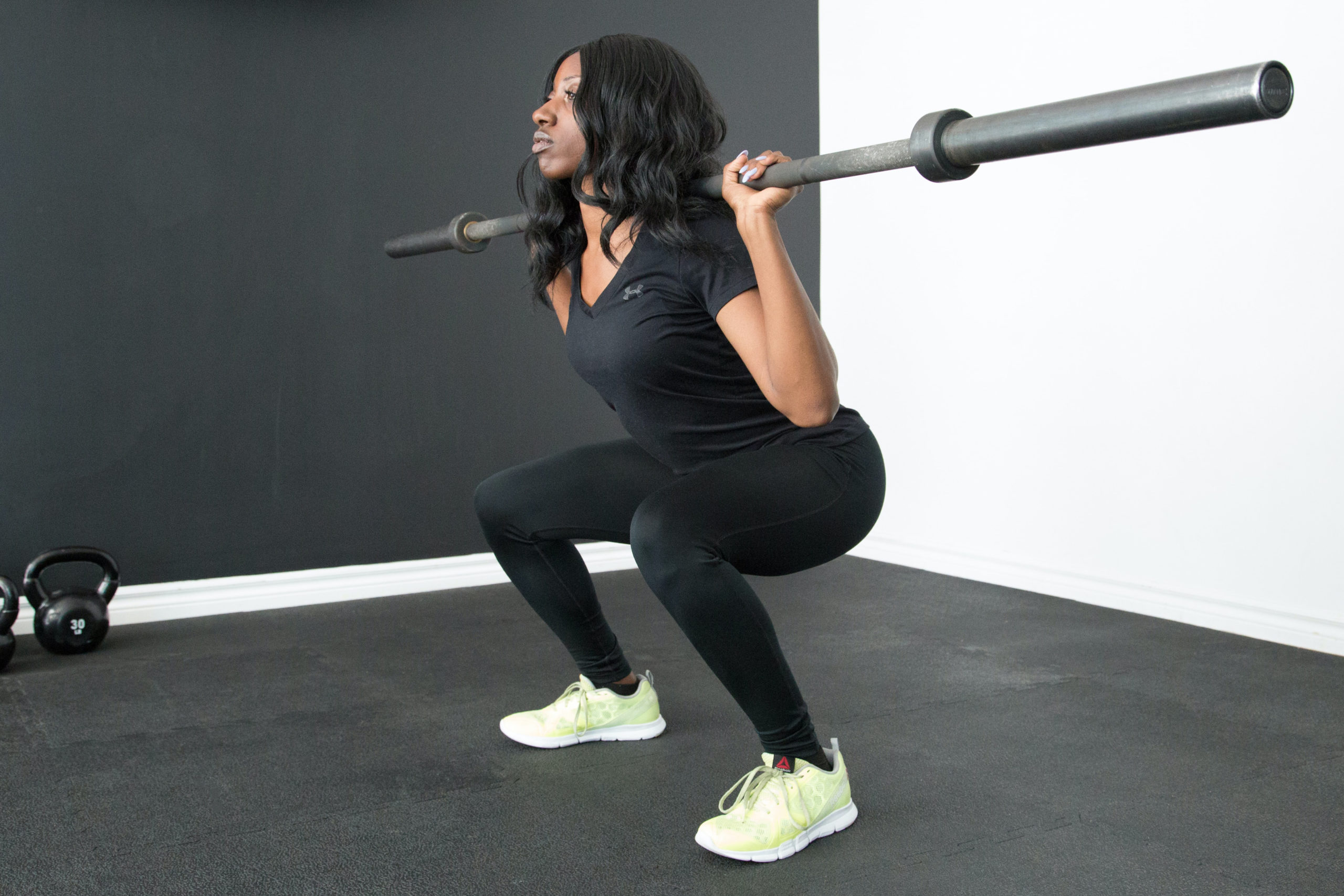
SquattingWhen it comes to squatting, it is likely you have heard “don’t let your knees go past your toes” or “deep squats are bad for your knees.” The good news is, those are myths, and we should not fear these movements!

Myth #1: Squats Past 90 Degrees are Bad for Your Knees

First, squatting (especially deep squatting) is a vital movement from when we are born (at least when we start standing and walking). Watch kids squat, they have excellent form, and we should be able to perform squats most of our life. It has been recommended to perform half or quarter squats to avoid injury, despite the research revealing that is not completely true. In a recent study, the authors looked at different depths of squats to see if there was more risk for injury when squatting past 90 degrees of knee flexion. What they found is that there is no evidence that squatting, especially below 90 degrees, is damaging to knees.

Myth #2: Squatting with Your Knees Over Toes is Bad for Your Knees

Secondly, for those who fear squatting with knees over toes, that is also a functional movement we do every day from getting up out of a chair or going downstairs! I have seen many clients in the clinic where squatting with knees over toes can be uncomfortable or painful. That is common to see. So, what happens when we squat with knees over toes? Your knees go past your toes! But also, it adds more tension at your knee joint, in which your quadriceps (thigh muscles) must work harder to do that movement. Is that extra tension bad? As with most things, too much of anything your body is not ready for will lead to pain or discomfort.

Our bodies may alert us if we are not ready for a movement if getting into a deep squat or having knees go over toes in a squat is difficult or painful. It may mean your body isn’t ready to do that… yet. It is something your body is capable of!  In addition, it is not impossible to load your knees when you have diagnoses like meniscal tears, ligamentous injuries, or chondromalacia patella (wear and tear of the cartilage under the knee cap). It may take a slower progression and approach with supervision to be able to do squats well! However, our bodies are resilient and very capable of getting stronger over time with ample load. That’s where making an appointment with an adult physical therapist at MOSAIC can safely help you to build tolerance to perform squats.

In conclusion, deep squatting or squatting with knees over toes is not damaging to our knees. It takes slowly progressing your legs to gain strength and control to perform movements that require squatting with less discomfort.

References:
Pallares JG, Cava AM, Courel-ibanez J, Gonazalez-baillo JJ, Moran-navarro R. Full squat produces greater neuromuscular and functional adaptations and lower pain than partial squats after prolonged resistance training. Eur J Sport Sci. 2020;20(1):115-124.
Hartman H, Wirth K, & Klusemann M. Analysis of the load on the knee joint and vertebral column with changes in squatting depth and weight load. Sports Med. 2013;43:993-1008.