Our Blog
06.14.2026
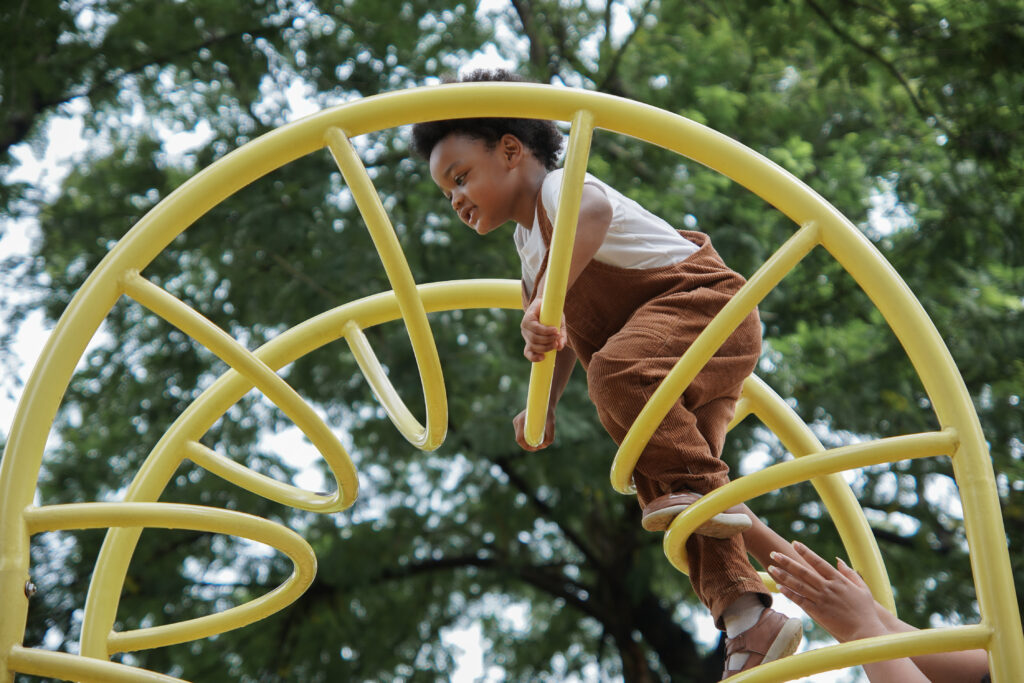
Positioning for Play
When it comes to infant development, one of the most powerful tools available is also one of the simplest: positioning during play. The way a baby spends their day—on their tummy, side, back, or in supported sitting—directly impacts their strength, coordination, endurance, and motor skill development. While many parents assume babies naturally get stronger as

05.31.2026
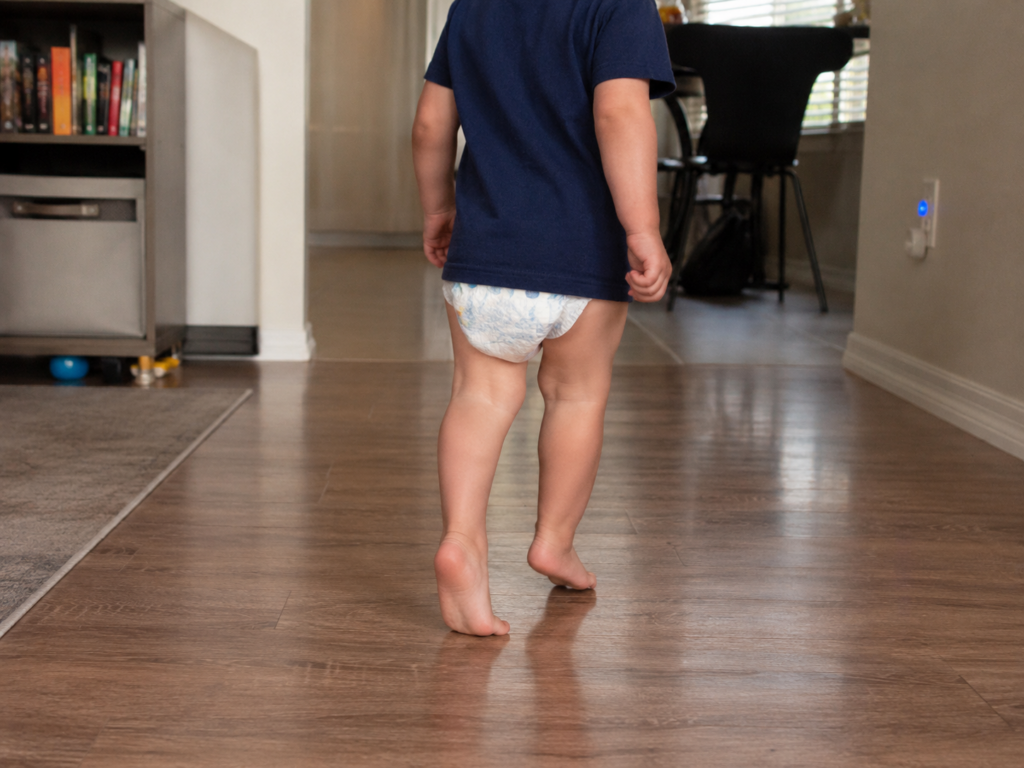
Pediatric Toe Walking
Watching a young child walk on their toes can seem harmless — and in many toddlers, it is. During the early stages of learning to walk, children often experiment with different movement patterns, including toe walking. In many cases, this phase resolves naturally as balance, coordination, and strength improve. However, when pediatric toe walking persists
05.07.2026
Shoulder Weakness in Kids
Shoulder weakness is more than “a tired arm.” It’s a functional challenge that can influence how a child plays, moves, explores, and participates in daily routines. Understanding what shoulder weakness actually is—and what it isn’t—is the first step toward building strength, confidence, and independence. f you’re concerned about your child’s strength, coordination, or development, it
06.28.2026
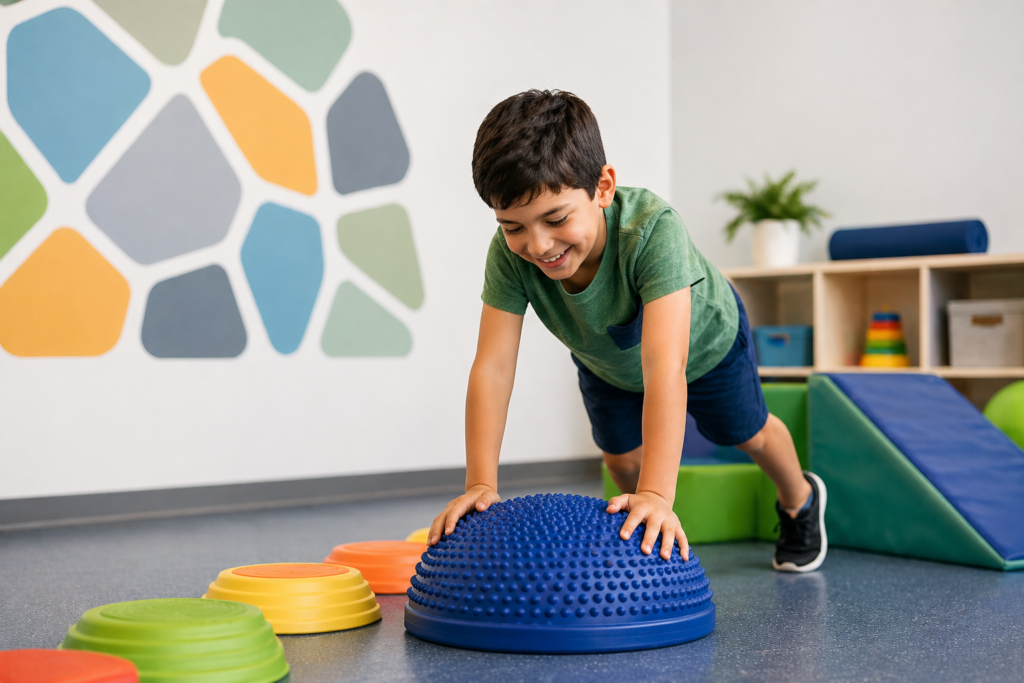
Travel for Kids with Sensory Needs
Traveling with children can create lasting memories, but for kids with sensory sensitivities, travel can also feel overwhelming. Crowded airports, long car rides, unfamiliar places, and changes in routine may trigger stress, anxiety, or sensory overload. The good news is that with preparation and the right travel tips for kids with sensory needs, family trips

06.08.2026
Interactive Story Time Improves Reading and Writing
Reading aloud on a regular basis is one building block in helping a child acquire reading and writing skills. By making a few small changes to your story time routine, you can grow these skills. Making story time interactive is one of the most impactful ways to improve reading and writing. How to Make Story

05.24.2026
Body Awareness Matters For Kids
In a world where children are constantly stimulated by screens, schedules, and structured activities, one foundational skill often gets overlooked: body awareness. It sounds simple, almost too simple—but helping kids understand, feel, and navigate their own bodies is one of the most powerful tools we can give them. It shapes how they move, how they