Our Blog
03.08.2026
Supporting Young Athletes Through Growth Spurts
Supporting young athletes during growth spurts is essential for keeping them healthy, confident, and performing at their best. Growth spurts are a normal and exciting part of childhood, but they can temporarily affect how a child moves and feels during sports. According to the American Academy of Pediatrics, growing athletes are more vulnerable to overuse

02.16.2026
Winter Activities for Seniors With Dementia
January can be cold, snowy, and icy, making it harder for seniors to stay active and socially connected. For individuals living with dementia, these winter months can increase feelings of isolation and confusion. If you are a caregiver, finding safe, engaging winter activities for seniors with dementia is an important way to support cognitive health,

02.02.2026
Hand Arch Formation: Why Does it Matter?
Most people don’t think about the “architecture” of the hand, but therapists know: the arches of the hand are the quiet powerhouses behind nearly every fine motor skill. When these arches are strong, flexible, and well‑refined, children can grasp, manipulate, and coordinate tools with ease. When they’re underdeveloped, even simple tasks can feel tiring or

03.15.2026
Core Strength Matters in Every Sport: The Hidden Powerhouse:
When people think about athletic performance, they often picture explosive legs, powerful arms, or lightning-fast reflexes. But core strength matters more than most athletes realize. Beneath every sprint, swing, jump, or throw is a strong and stable core working to keep the body efficient and controlled. Whether you’re a runner, basketball player, swimmer, or weekend

02.23.2026
Oromyofunctional Disorder: What Is it and How Do You Treat It?
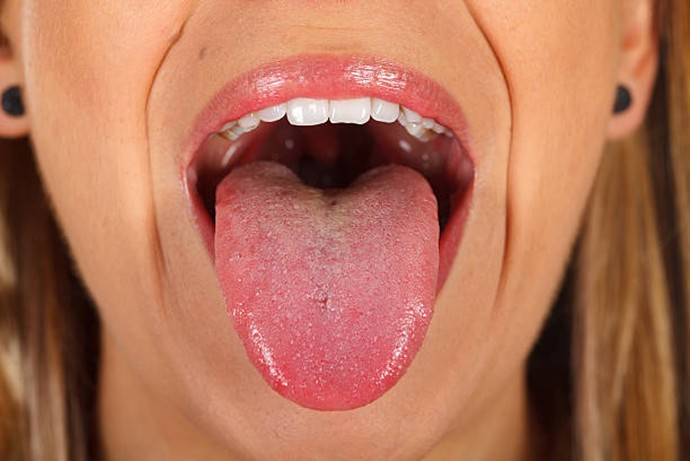
Orofacial myofunctional disorders (OMDs) are patterns involving oral and orofacial musculature that interfere with normal growth, development, or function of orofacial structures. According to the American Speech-Language-Hearing Association (ASHA), these patterns can impact breathing, chewing, swallowing, and speech. Orofacial musculature dysfunction can occur at any stage in life. Understanding OMDs is the first step toward improving
02.08.2026
Lactation Support for Breast and Bottle Feeding
Feeding a baby is one of the most intimate parts of early parenthood, and it doesn’t always come easily. Many parents expect feeding to feel natural right away, but in reality it often comes with questions, uncertainty, and unexpected challenges. Whether you are breastfeeding, bottle feeding, pumping, or using a combination of methods, lactation support