Core Strength for Kids: Why Trunk Development Matters for Kids
When we think about children growing strong, we often focus on arms and legs. But one of the most important—and often overlooked—parts of development for kids is core strength development. The core includes the muscles of the abdomen, back, and hips, and these muscles play a major role in posture, balance, movement, and everyday activities.
What Is Core Strength Development?
Core strength development refers to how children build strength and control in the muscles that support the spine and pelvis. These muscles help children sit upright, stand steadily, and move with coordination. Strong trunk muscles provide a stable base for the arms and legs to work effectively. Healthy trunk development supports many areas of a child’s growth, including:
- Posture – Sitting and standing upright without fatigue
- Balance and coordination – Staying steady during play and movement
- Motor skills – Improving crawling, walking, running, and jumping
- Fine motor skills – Helping with writing, drawing, and feeding
- Breathing and endurance – Supporting proper breathing patterns
Children with weaker trunk muscles may tire easily, slouch when sitting, or struggle with coordination and balance.
How Does it Develop?
Over time trunk strength develops gradually as children grow and move:
- Infancy: Lifting the head, rolling, and sitting with support
- Toddlerhood: Sitting independently, standing, walking, and climbing
- Preschool years: Improved balance, jumping, and coordinated play
- School age: Better posture, endurance for sitting, and complex movements
Each stage builds on the previous one, making early movement and play especially important. Every child develops at their own pace. However, there are some signs suggesting a child may have a delay in core strength development, such as:
- Difficulty sitting upright without support
- Frequent slouching or leaning on furniture
- Poor balance or frequent falls
- Fatigue during play or seated activities
- Trouble with tasks like handwriting or dressing
If parents notice these concerns, discussing them with a pediatric physical or occupational therapist can be helpful. Early intervention can greatly improve strength, coordination, and daily function.
The good news is that PLAY is the best way to build core strength. Simple, fun activities at home can make a big difference:
- Tummy time for infants
- Crawling, climbing, and floor play
- Sitting on the floor instead of always in chairs
- Dancing, yoga, or animal walks
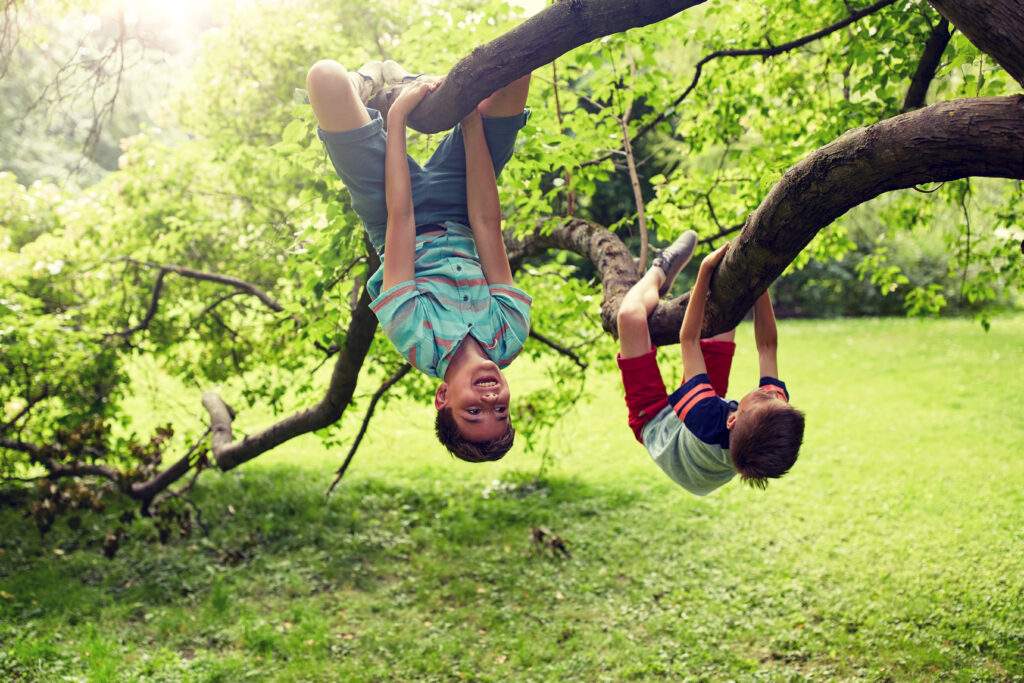
- Playing on playground equipment like swings and climbing frames
These activities strengthen trunk muscles naturally and encourage confidence in movement. For more information and activities to try at home to build core strength, visit Pink Oatmeal.
The development of core strength in kids is a vital foundation for a child’s overall growth. Strong core muscles support movement, learning, and independence. By encouraging active play and healthy movement from an early age, parents can help their children build a strong, stable base for lifelong physical development.